Tag: livro
Livros em destaque em maio’2024
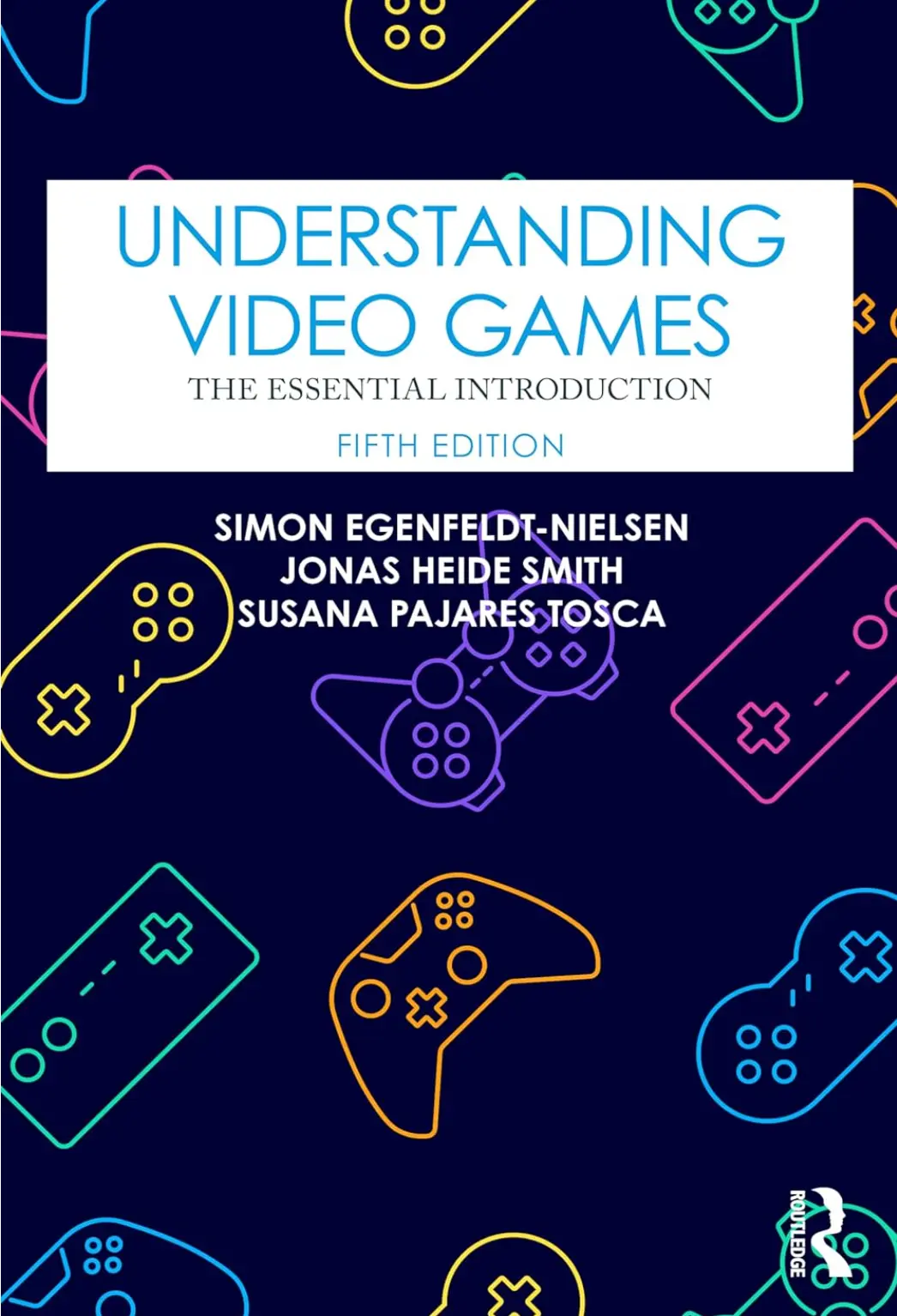
Understanding Video Games 5th Edition por Simon Egenfeldt-Nielsen, Jonas Heide Smith e Susana Pajares Tosca
”
The fifth edition of this pioneering textbook takes video game studies into the next decade, highlighting changes in mobile, social, and casual gaming.
This book introduces students to both the major theories used to analyze games, such as ludology and narratology, and the commercial and organizational aspects of the game industry. Drawing from historical and contemporary examples, this student-friendly text also explores the aesthetics of games, evaluates the cultural position of video games, and considers the potential effects of both violent and “serious” games. This new edition includes updates to the history, statistics, and developments in the vast game studies landscape throughout. The book has been expanded with additional theory, research, and insights from scholars around the world, making it more inclusive and broadening its global perspective.
Extensively illustrated and featuring discussion questions, a glossary of key terms, and a detailed video game history timeline, Understanding Video Games, Fifth Edition is an indispensable resource for anyone interested in examining the ways video games are reshaping entertainment, education, and society.
”
Um livro a ler, deve ter algumas histórias bem interessantes.
+infos(amazon): LINK
Livros em destaque em março’2024
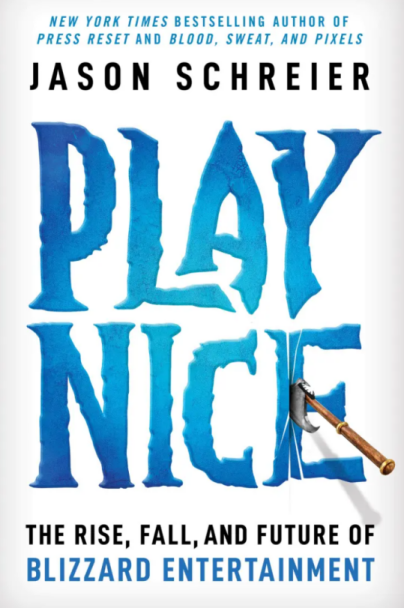
Play Nice, The Rise, Fall, and Future Of Blizzard Entertainment por Jason Schreier
”
New York Times bestselling author and the gaming industry’s preeminent investigative journalist Jason Schreier examines three decades of ups and downs at Blizzard Entertainment leading up to a hostile corporate takeover and a sexual misconduct scandal that put the legendary developer in a world of (Warcraft) trouble.
For video game fans, the name Blizzard Entertainment was once synonymous with perfection. The renowned company behind classics like Diablo and World of Warcraft was known to celebrate the joy of gaming over all else. What was once two UCLA students’ simple mission — to make games they wanted to play — launched an empire with thousands of employees, millions of fans, and billions of dollars.
But when Blizzard cancelled a buzzy project in 2013, it gave Bobby Kotick, the infamous CEO of corporate parent Activision, the excuse he needed to start cracking down on Blizzard’s proud autonomy. Led by executives from McKinsey and Procter & Gamble, Activision began invading Blizzard from the inside. Glitchy products, PR disasters, and mass layoffs followed, marring the company’s once pristine image. Then, in 2021, a staggering sexual misconduct and discrimination lawsuit against the company triggered a widespread reckoning and a shocking $69 billion acquisition.
Based on firsthand interviews with more than 300 current and former employees, PLAY NICE chronicles the creativity, frustration, beauty, and betrayal across the epic 33-year saga of Blizzard Entertainment. From previously unrevealed stories of Blizzard’s early culture, including fist fights and a hotel ban, to the full story of Titan, Blizzard’s most high-profile canceled project, and the behind-the-scenes saga of how Blizzard executives battled their Activision overlords tooth and nail, this book explores the delight and despair of what it really means to “bleed Blizzard blue.” Full of colorful personalities and dramatic twists, PLAY NICE is The Social Network for the video game industry.
”
Um livro a ler, deve ter algumas histórias bem interessantes.
+infos(amazon): LINK
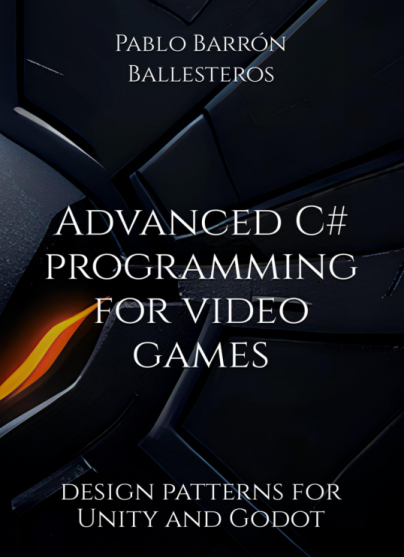
Advanced C# programming for video games: design patterns for Unity and Godot por Pablo Barrón Ballesteros
“Level up your video game programming!
An advanced level of programming is essential to successfully undertake a video game project, whether in a professional studio or as an indie developer. This book will teach you the secrets of design patterns for Object-Oriented Programming (OOP). Design patterns are an essential tool that tell apart the hobbyist who struggles to complete a video game without coding errors, from the professional capable of undertaking a complex video game project. In this book, each design pattern is thoroughly explained using C# code suitable for Unity and Godot, with examples drawn from real video game programming. Learn how to structure an inventory, a quest subsystem, a crafting queue, items with various uses, decision systems for your NPCs, visual novels, and more. Understanding design patterns in programming will empower you to program anything you desire.
“Advanced C# Programming for Video Games” begins with an introduction to OOP in C# and its basic concepts, covering from classes and encapsulation to method overloading, polymorphism, interfaces, and abstract classes. It then progresses to analyzing creational, structural, and behavioral patterns. For every pattern, a functional C# code example is provided. For instance, the Prototype pattern will guide you in dealing with a collectible card video game and MOBA champions, the Decorator will demonstrate how to create roguelike enemies and weapons, the Flyweight will unveil the secrets of a “Bullet Hell” game and how to manage 2D tiles in expansive game worlds, the Memento will teach you techniques to create savegames, and the Template Method will address AI in strategy games or special occupations for your characters.
Don’t miss this extensive work by a professional programmer. Learn at last how to develop your video game like a professional.”
+infos(amazon): LINK
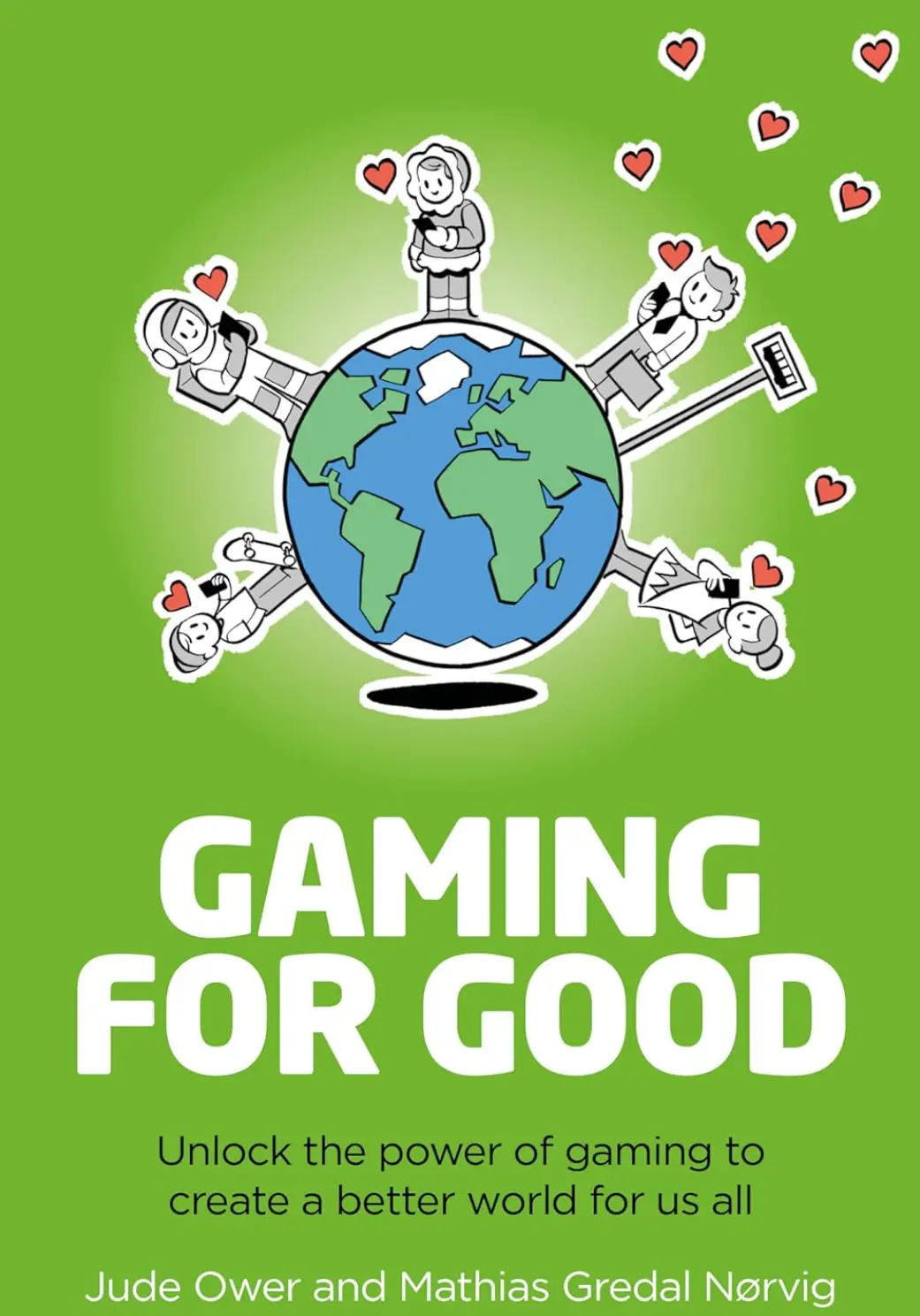
Gaming for Good: Unlocking the Power of Gaming to Create a Better World for Us All, por Jude Ower a Mathias Gredal Nørvig
“Over 3 billion people play games globally. How can we turn his immense power into a force for good?
Games are already influencing player behaviour and decision-making. This book dispels the often negative perception of gamers and the games they play every day and shows how to harness the medium’s potential. Whether you’re a gamer, in the industry, not in the industry but interested in games or a parent worried about the impact of games on your kids, read this book to:
Understand the industry and gaming culture and why it lends itself perfectly to tackling global challenges
Discover how games can be a force for good through real-world examples, underpinned by interviews with leading executives in the industry
Be inspired to make a positive impact using games
Recognise that ‘doing good’ corresponds with ‘doing well’ and can drive wider beneficial outcomes such as deeper engagement”
Gostava de ter acesso a este livro para ler mais um pouco sobre o desenvolvimento de videojogos de “for good”.
+infos(amazon): LINK
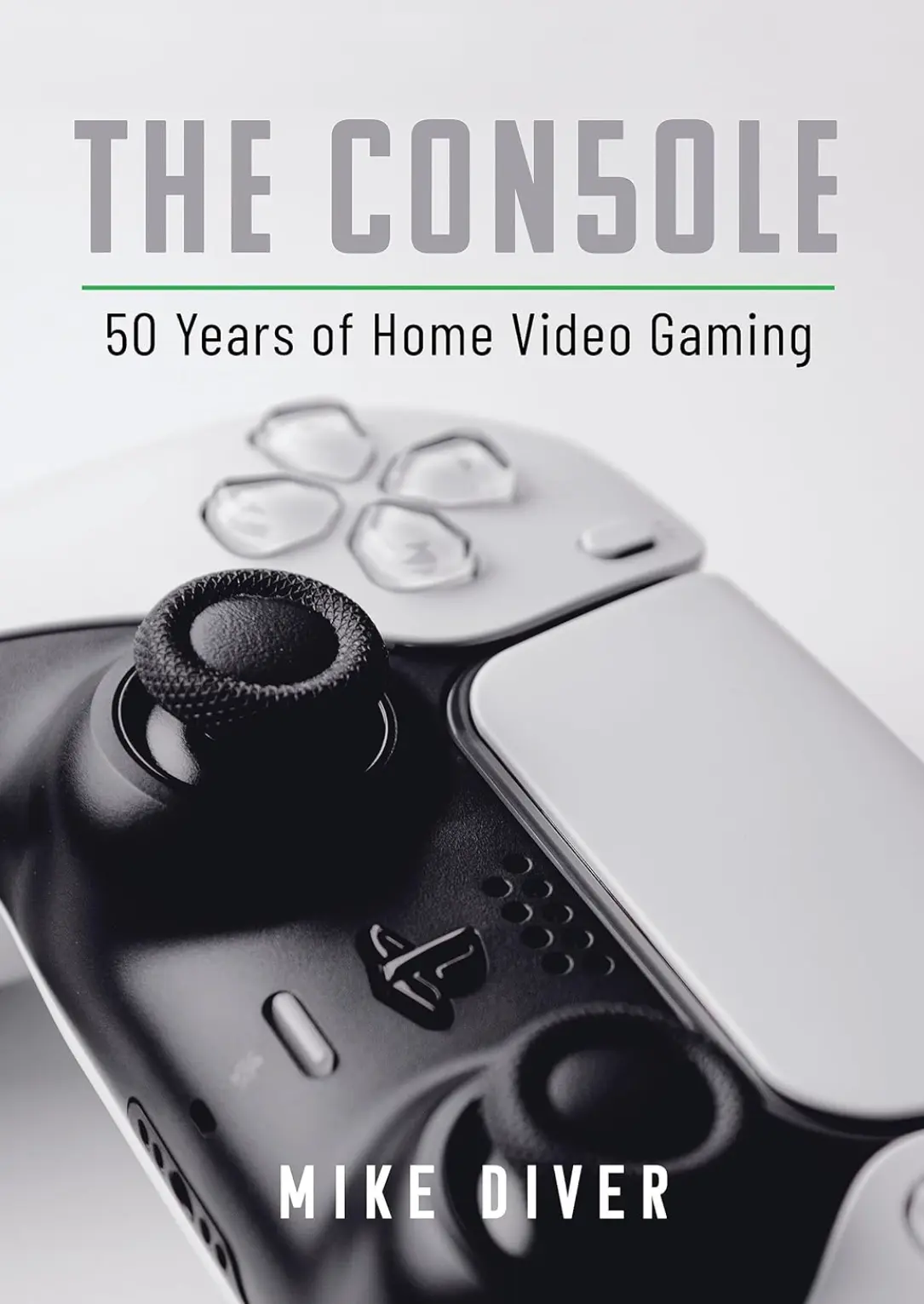
The Console: 50 Years of Home Video Gaming por Mike Diver
“THE CON50LE is a comprehensive yet conversational account of 50 years of home video gaming history, leaving no rarely sighted system unturned and providing a chronological account of the evolution of the biggest entertainment medium in the world. From the earliest consoles of the 1970s to the cutting-edge machines of the here and now, a line is drawn from one man’s eureka moment to the multi-billion-dollar global industry of today. All the well-known names and massive-selling consoles are here: the Nintendo Entertainment System, the SEGA Mega Drive, the Atari 2600, the Xbox 360, the PlayStation 2. But there’s plenty of room for hardware that many a gamer won’t have heard of before, from Japan-only releases and home computer conversions to ill-advised experiments with VHS and all manner of micro-console magic. Learn about the creators and their inspirations, the games that made the biggest consoles’ eternal reputations, and the failures and flops along the way. Even the consoles that came and went without notable commercial success left a mark, an imprint, on this compelling history – and THE CON50LE unravels it, explains it, one fascinating machine at a time.”
Gostava de ter acesso a estes livro, parece ser um livro histórico acerca do mundo das consolas domésticas.
+infos(amazon): LINK
Livros que contam histórias de game designers
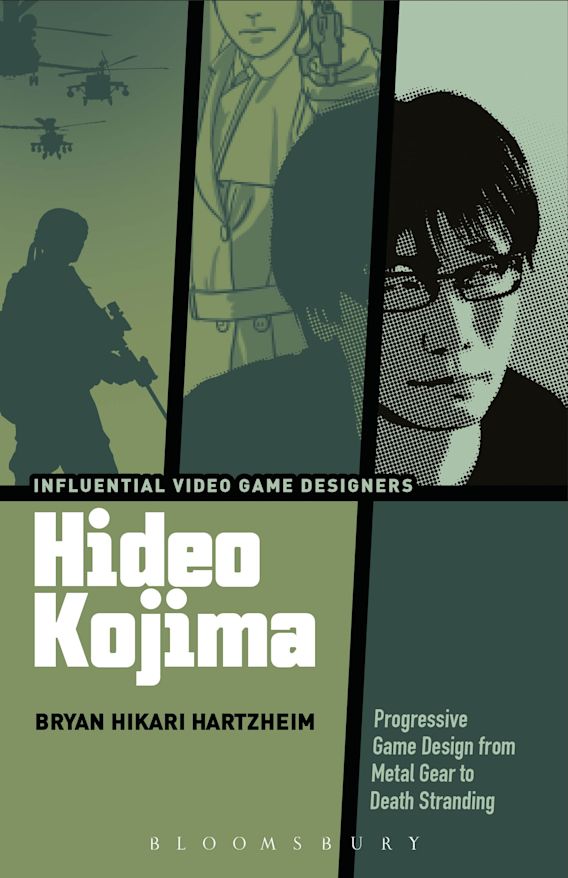
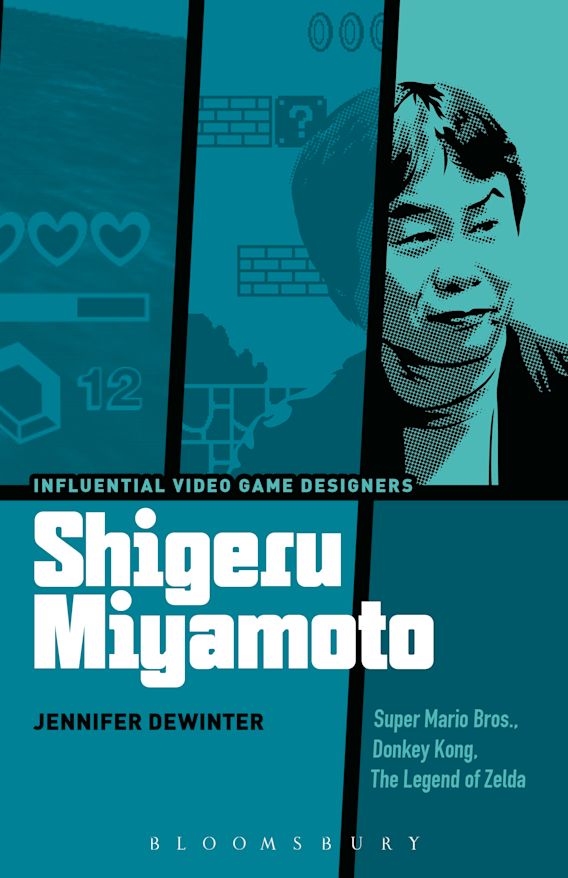
Encontrei estas referências para alguns livros que contam as histórias de alguns Game Designers. É uma coleção já com alguns autores que presumo que não vá ficar por aqui. Para já gostava de ter acesso a dois deles. Da coleção surge:
Hideo Kojima, Progressive Game Design from Metal Gear to Death Stranding
Shigeru Miyamoto, Super Mario Bros., Donkey Kong, The Legend of Zelda
Todd Howard, Worldbuilding in Tamriel and Beyond
Jane Jensen, Gabriel Knight, Adventure Games, Hidden Objects
Brenda Laurel, Pioneering Games for Girls
+infos(oficial): LINK
A guide to Movie Based Video Games 1982-2000
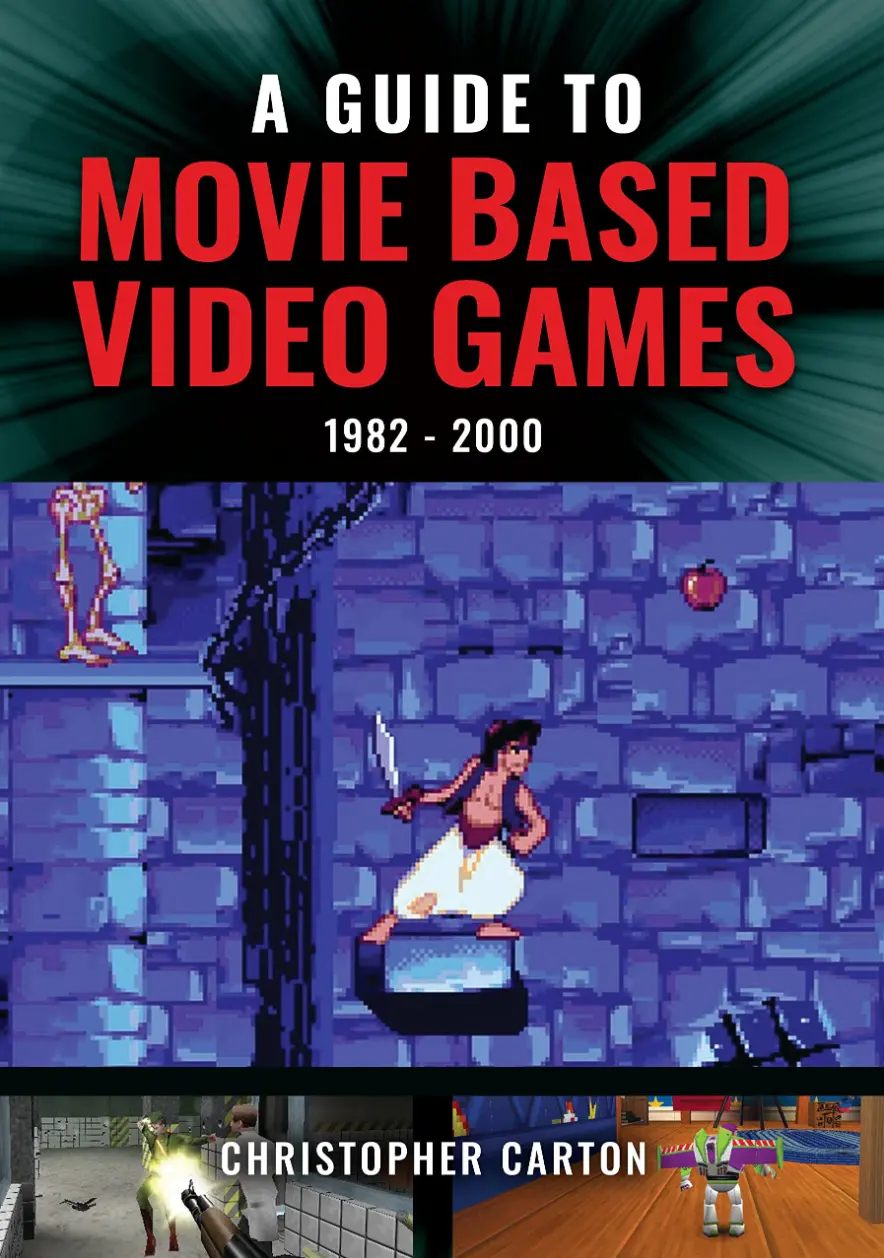
Eu não sou grande fã de videojogos que surgem pela via de filmes, pois normalmente não trazem nada de novo a não ser a experiência de ser uma personagem de um determinado filme, contudo também existem vários exemplos do inverso.. e na maioria das vezes os filmes não são grande coisa. Este é mais um livro que trata de apresentar esta temática e tem como resumo:
“Long before gaming came to the big screen, cinema arrived in the homes of millions in the form of licensed video games; playable merchandise that tied in to some of the major tentpoles of cinematic history. Many of these games followed the storylines of the movies on which they were based, as well as providing supplementary adventures to major franchises. Collected in this book are some of the biggest games to come from Hollywood adventures during the ’80s and ’90s.
In this comprehensive book, you’ll find over 300 games across 18 chapters, with sections dedicated to major movie franchises such as Star Wars, Jurassic Park, Top Gun, Pixar, Aliens and Indiana Jones, along with nearly 200 full-color screenshots of major releases. Showcasing the highs and lows of early computer gaming through the 16-bit era and onto the advent of 3D console gaming, A Guide to Movie Based Video Games: 1982 – 2000 covers two decades of video games with trivia, analysis and recommendations.”
+infos(loja): LINK
The Rules We Break : Play games. Solve problems. Design better.
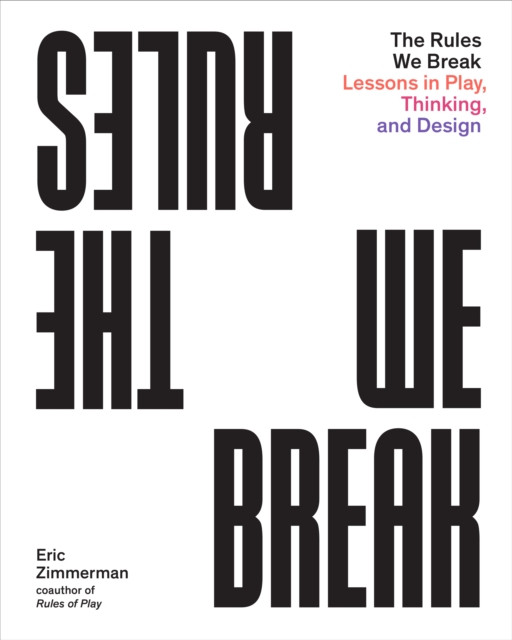
Vai estar brevemente disponivel o livro The Rules We Break : Play games. Solve problems. Design better de Eric Zimmerman. De acordo com o autor o livro:
“Games and exercises to help designers understand how people think, how systems work, and how a design process can unfold.
Exercises in Play, Systems, and Design is a collection of hands-on, real-world exercises for designers of all kinds. Games and play can help designers understand how people think, how systems work, and how a design process can unfold. The exercises are sometimes played on a tabletop, and sometimes are physical and social games, but they are all thought-provoking and (of course!) very fun to play. The book is divided into three sections, games that can be played in 30 minutes, 2 hours, and a day or more. They are valuable for anyone who wants to know more about how people think, how systems work, how to create meaningful experiences, and how to redesign the world for the better.
Short, inspirational essays begin each section, where readers learn about productive collaboration, creative problem solving, how to communicate ideas, and analyzing how systems work.”
O livro tem um site do qual se podem retirar alguns documentos para serem impressos. Tratam-se dos extras/tabuleiros para serem jogados porque quem vai ler o livro :)
+infos(oficial): https://theruleswebreak.com/
Livros acerca de videojogos

Não conhecia, mas encontrei este portal que permite comprar livros acerca de videojogos :) Podemos até nem comprar mas é um excelente local para fazer pesquisas!
+infos(oficial): https://www.thevideogamelibrary.org/
Livro: The Making of Prince of Persia: Journals 1985-1993 de Jordan Mechner
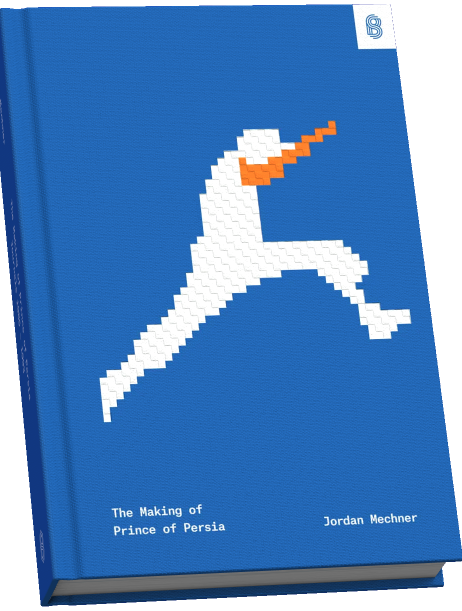
Encontrei esta referência a este livro The Making of Prince of Persia: Journals 1985-1993, escrito por Jordan Mechner, e que apresenta de forma bastante detalhada o famoso jogo Prince of Persia. Não é propriamente o meu jogo favorito, já que só tive contacto com ele em PC, mas lembro-me de ter jogado várias vezes e ter percebido o quanto difícil ela sobreviver se haver frustração, mas os gráficos compensavam sempre. Tinha animações perfeitas para a altura e eu recordo que começava sempre a jogar por causa dos gráficos.
Ainda assim gostava de ler estre livro e nele consta:
“Before Prince of Persia was a bestselling video game franchise and a Disney movie, it was an Apple II computer game created and programmed by a lone developer, Jordan Mechner. Mechner’s candid and revealing journals from the time capture the journey from his parents’ basement to the forefront of the fast-growing 1980s video game industry, as a 20-year-old fresh out of college with a liberal arts degree—and the creative, technical, personal, and professional struggles that brought the Prince into the homes of millions of people worldwide. In The Making of Prince of Persia, on the 30th anniversary of the game’s release, Mechner looks back at the journals he kept from 1985 to 1993 and annotates them with insights into the game that established him as a pioneer of cinematic storytelling in the industry.”
+infos(oficial): LINK
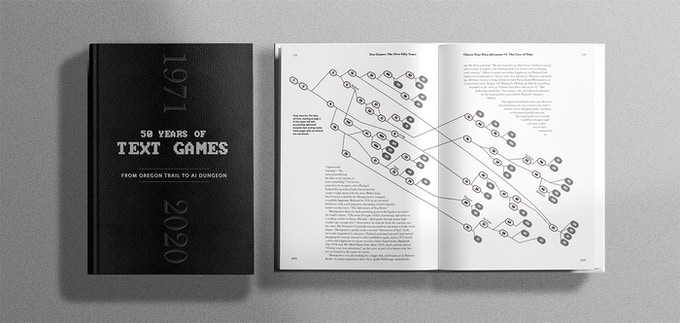
50 Years of Text Games: From Oregon Trail to A.I. Dungeon, um livro
Esta é uma campanha que estive de olho, não porque seja o meu género de videojogo mas porque conta um pedaço de histórica acerca daqueles tipos de videojogos que fazem uso da escrita para o desenrolar das narrativas! Do autor Aaron A. Reed surge mais um livro no mercado para mostrar um pouco de outra parte da história dos videojogos.
+infos(campanha): LINK
+infos(o autor): Palestra do autor
Uma campanha e um livro..
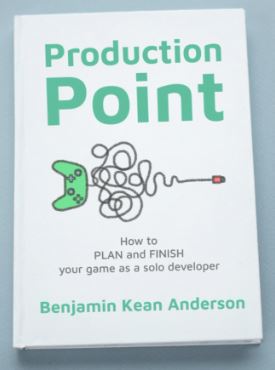
Está a decorrer na plataforma indiegogo uma recolha de “fundos” para ajudar na publicação de um livro intitulado “Production Point, How to plan and finish your game as a solo developer” por Benjamin Anderson. Já há algum tempo que sigo o trabalho que é desenvolvido por ele nomeadamente no que se refere ao uso de motores de videojogos. Inclusive já adquiri em tempos um curso dele relacionado com o motor GameMaker Studio.
Bom agora ele tem a decorrer uma campanha acerca do seu novo livro. O livro tem como secções:
Introduction: The Dream
How I got started in gamedev
What does success look like?
Chapter 1: The Gold Mine
Gold mine analogy
Explore + Exploit and the 2 Phases of Game Development
I‘m not the first person tbreak the process down int2 phases
Stuck in Pre-production (tomany prototypes)
Stuck in Production (working on a single game for months or even years without progress)
Stuck in Both (switching between the twphases)
Defining clear lines
Chapter 2: Clear Lines
What goes Pre-production Look Like?
What does Production Look Like?
Bringing them together, the Production Point
Exceptions tthe clear lines
Chapter 3: Pre-Production
Pre—production traps tavoid
Focusing on Systems and Mechanics
Scope by doing and keep it simple
Playful mentality
What tdwhen you lose motivation
Start on paper
Feedback from yourself
Godigital
Videfeedback from small groups (5-10)
Evaluating feedback
What does progress look like?
Chapter 4: The Production Point
Production point traps tavoid
How dyou know when you are ready for production? (The uncertainty curve)
Consider what production will look like?
Transitioning to production
Crowdfunding and testing your game’s marketability
Chapter 5: Production
Production traps tavoid
Focusing on Content (how much content will you have)
Scope by planning (trello/github)
What tdabout burnout and monotony?
Alpha feedback from a large group of testers
Evaluating alpha feedback
Beta feedback from large group of testers
Evaluating beta feedback
What does progress look like?
Chapter 6: Ship it!
Launch traps tavoid
Making a press kit
Making a simple trailer
Support your players
Evaluate your launch. Find things that surprised you and readjust your model of making games for next time
Chapter 7: Conclusion
Finishing games
The hardest thing I know how tdo
Chapter 7: Conclusion
Finishing games
The hardest thing I know how tdo
What this book isn’t:
This book won’t teach you how to program
This book isn’t about game design, though if you follow the steps in it you will probably end up with a well designed game
This book doesn’t go into specifics about publishing your game on platforms like Steam, GOG, Epic, or any consoles
This book doesn’t cover the legalities or business side of making games (check out Gamedev by Wlad Marhulets as a starting point for that)
+infos(a campanha): LINK
+infos(oficial): https://www.heartgamedev.com/
Novo ano e mais livros
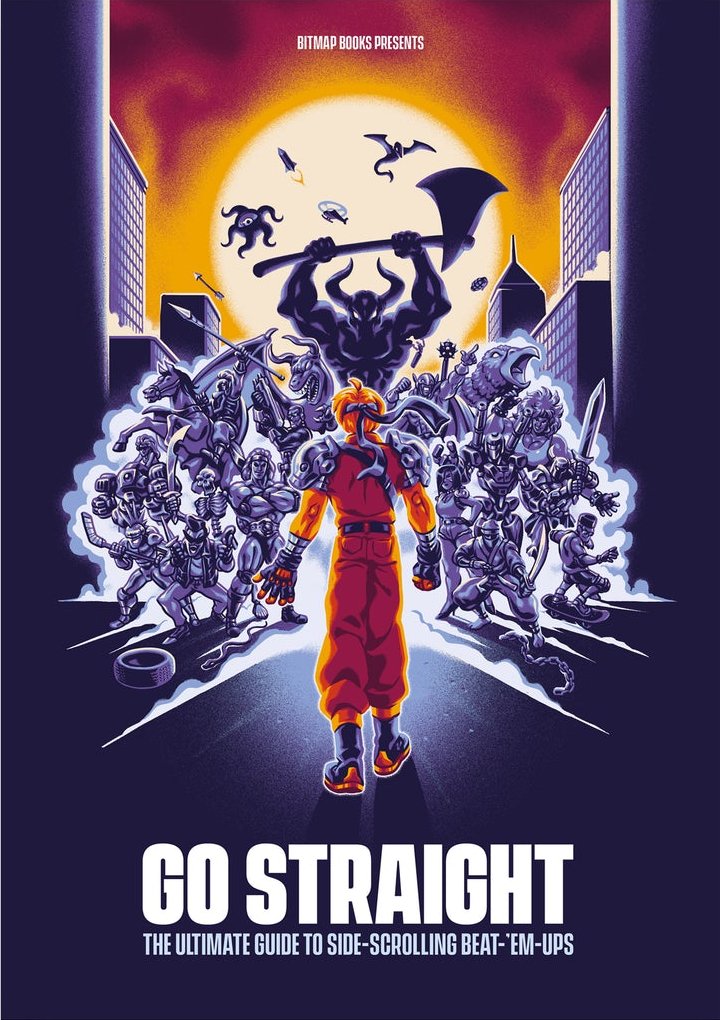
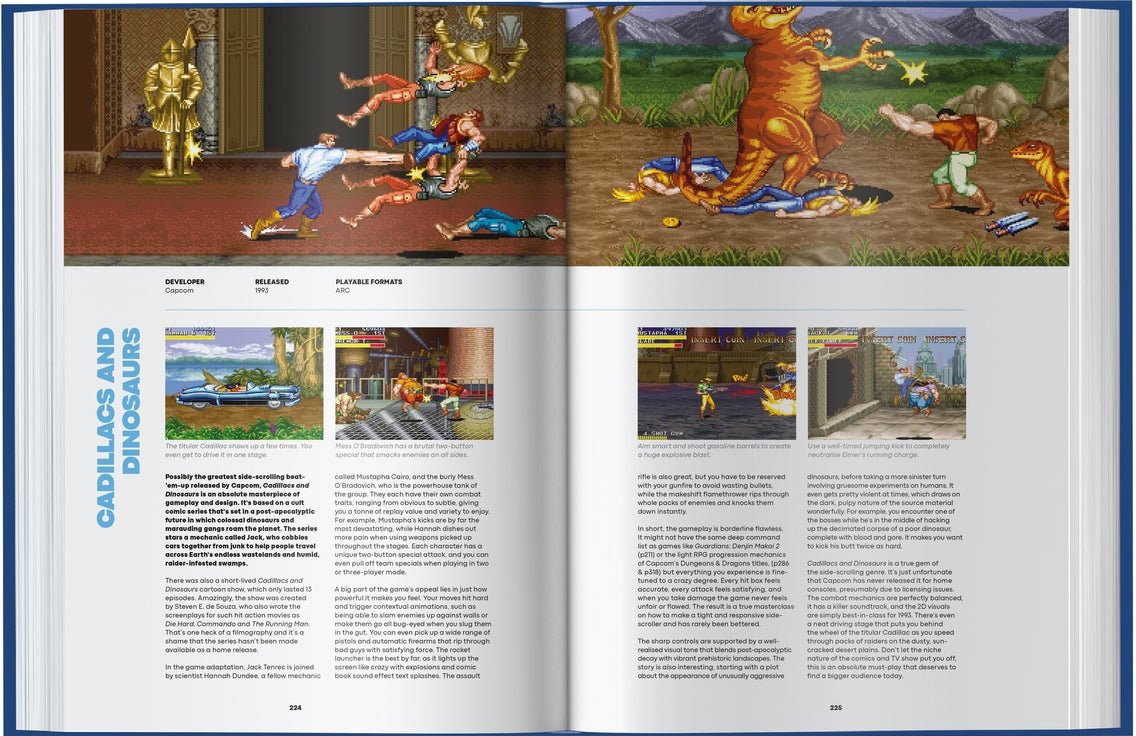
A malta da editora BitMap Books já tem disponibilizada a possibilidade de compra do novo livro “Go Straight: The Ultimate Guide to Side-Scrolling Beat-’Em-Ups”, que retrata ao longo de 450 páginas alguns dos jogos que foram desenvolvidos e que são do género beat-’em-up”. A lista é extensa e ao longo das 450 páginas estes jogos são apresentados e ilustrados centenas destes jogos. Em fevereiro de 2022 vai ser disponibilizado.
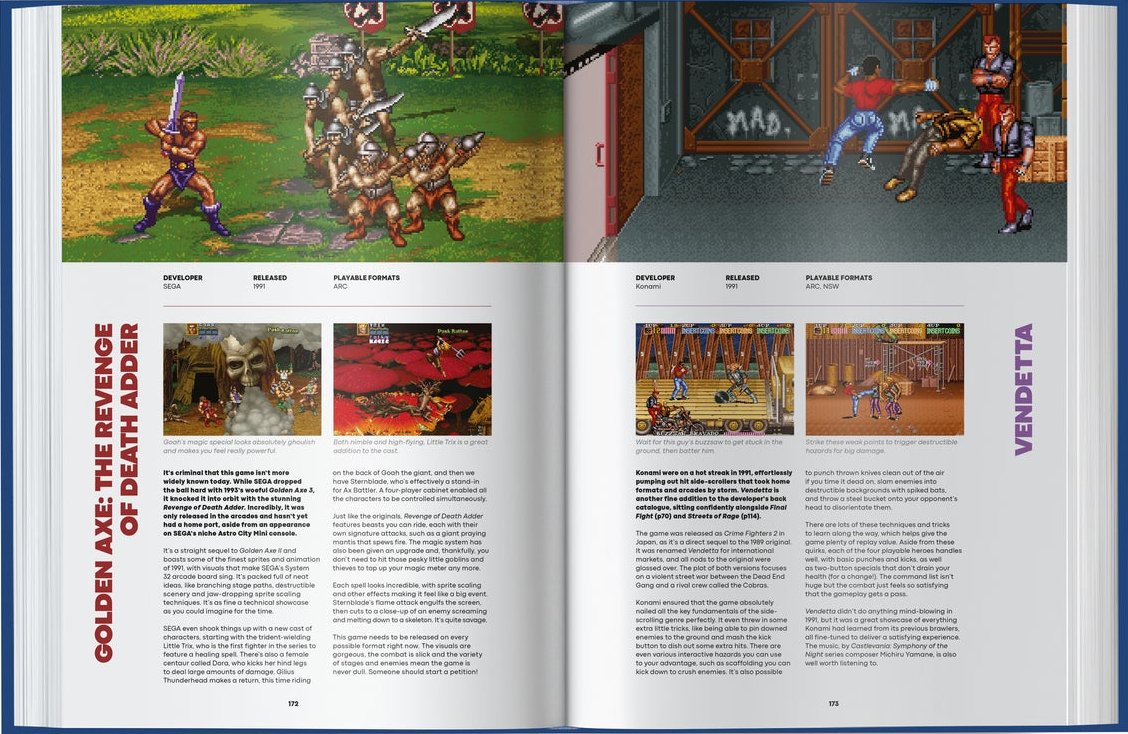
+infos(oficial): LINK
O livro “Game Writing, Narrative Skills for Videogames”
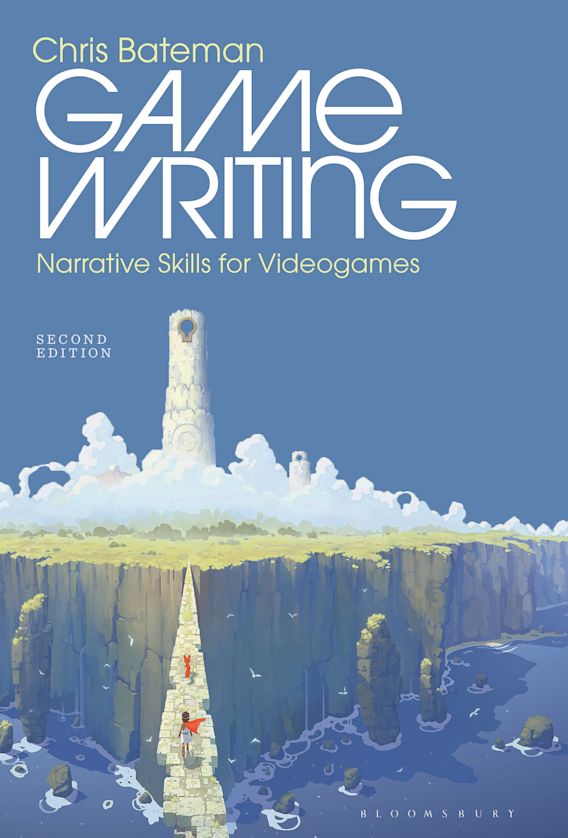
Mais um daqueles livros que pretendo ler: “Game Writing, Narrative Skills for Videogames” com a edição de Chris Bateman. Do livro consta o seguinte texto de apresentação:
“As the videogame industry has grown up, the need for better stories and characters has dramatically increased, yet traditional screenwriting techniques alone cannot equip writers for the unique challenges of writing stories where the actions and decisions of a diverse range of players are at the centre of every narrative experience. Game Writing: Narrative Skills for Videogames was the first book to demystify the emerging field of game writing by identifying and explaining the skills required for creating videogame narrative.
Through the insights and experiences of professional game writers, this revised edition captures a snapshot of the narrative skills employed in today’s game industry and presents them as practical articles accompanied by exercises for developing the skills discussed. The book carefully explains the foundations of the craft of game writing, detailing all aspects of the process from the basics of narrative to guiding the player and the challenges of nonlinear storytelling. Throughout the book there is a strong emphasis on the skills developers and publishers expect game writers to know.
This second edition brings the material up to date and adds four new chapters covering MMOs, script formats, narrative design for urban games, and new ways to think about videogame narrative as an art form. Suitable for both beginners and experienced writers, Game Writing is the essential guide to all the techniques of game writing. There’s no better starting point for someone wishing to get into this exciting field, whether they are new game writers wishing to hone their skills, or screenwriters hoping to transfer their skills to the games industry.”
E ainda conta com as seções de:
1. Introduction to Game Narrative, Richard Dansky
2. The Basics of Narrative, Stephen Jacobs
3. Writing for Games, Richard Boon
4. Nonlinear Game Narrative, Mary DeMarle
5. Keeping the Player on Track, Chris Bateman
6. Game Characters, Andrew S. Walsh
7. Cut Scenes and Scripted Events. Richard Dansky
8. Writing Comedy for Videogames, Ed Kuehnel and Matt Entin
9. Writing for Licenses, James Swallow
10. The Needs of the Audience, Rhianna Pratchett
11. Beware of the Localization, Tim Langdell
12. Adding Magic: The Voice Actors, Coray Seifert
13. Interchangeable Dialogue Content, Dr. Ernest Adams
14. Dialogue Engines, Chris Bateman
15. Massively Multiplayer Storytelling, Dr. Richard A. Bartle
16. The Tales Cities Tell, Dr. Konstantinos Dimopoulos
17. Interactive Script Formats, Wendy Despain
18. The Avatar and the Player’s Mask, Chris Bateman
+infos(oficial): LINK
A ler..
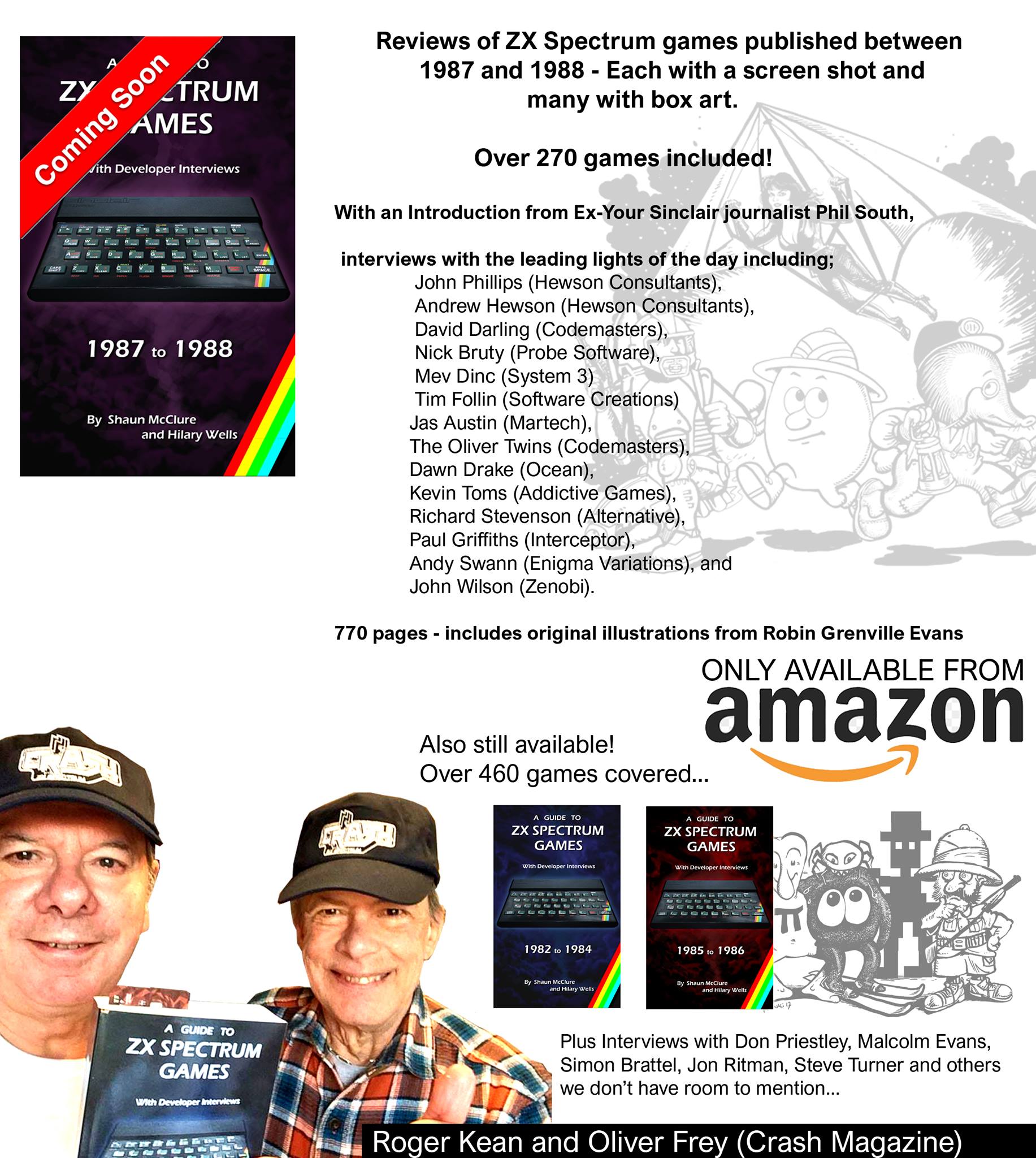
Estão no mercado dois livros acerca dos jogos de ZX Spectrum:
A Guide to ZX Spectrum Games – 1982 to 1984 por Shaun McClure
A Guide to ZX Spectrum Games – 1985 to 1986 por Shaun McClure
devem ser uma delícia de ser lidos :)
+infos(loja): LINK
Um livro para recordar

Não sei se algum destes tempos próximos vou ter tempo, mas gostava de um dia voltar atrás e experimentar novamente o assembly e programar para esta maquina deliciosa que foi o Spectrum! Este é um livro que ajuda a começar, com o título de Spectrum Machine Language for the Absolute Beginner, editado por William Tang.
Esta é uma nova edição de 2020, sendo que encontra por aí versão de PDF de 1982 :)
+infos(loja): LINK
Life Is A Game: The inspirational success story of a legendary game developer (livro)
Encontrei esta referência que me parece ser bastante interessante: “Life Is A Game: The inspirational success story of a legendary game developer” por Mev Dinc. Mev Dinc foi/é um game developer nos anos 80 e seguintes e que decidiu partilhar as suas histórias e aventuras neste negócio com a comunidade.
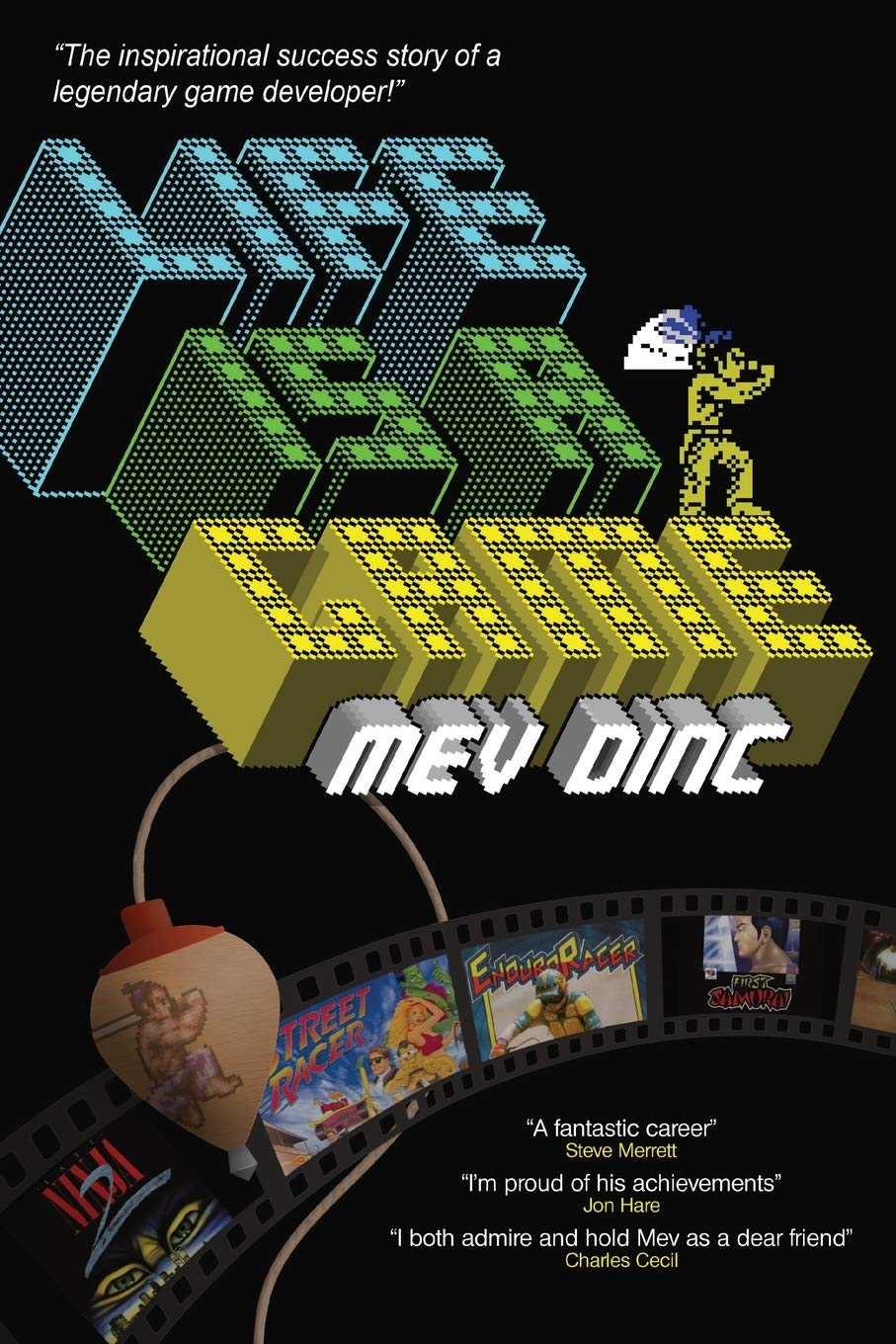
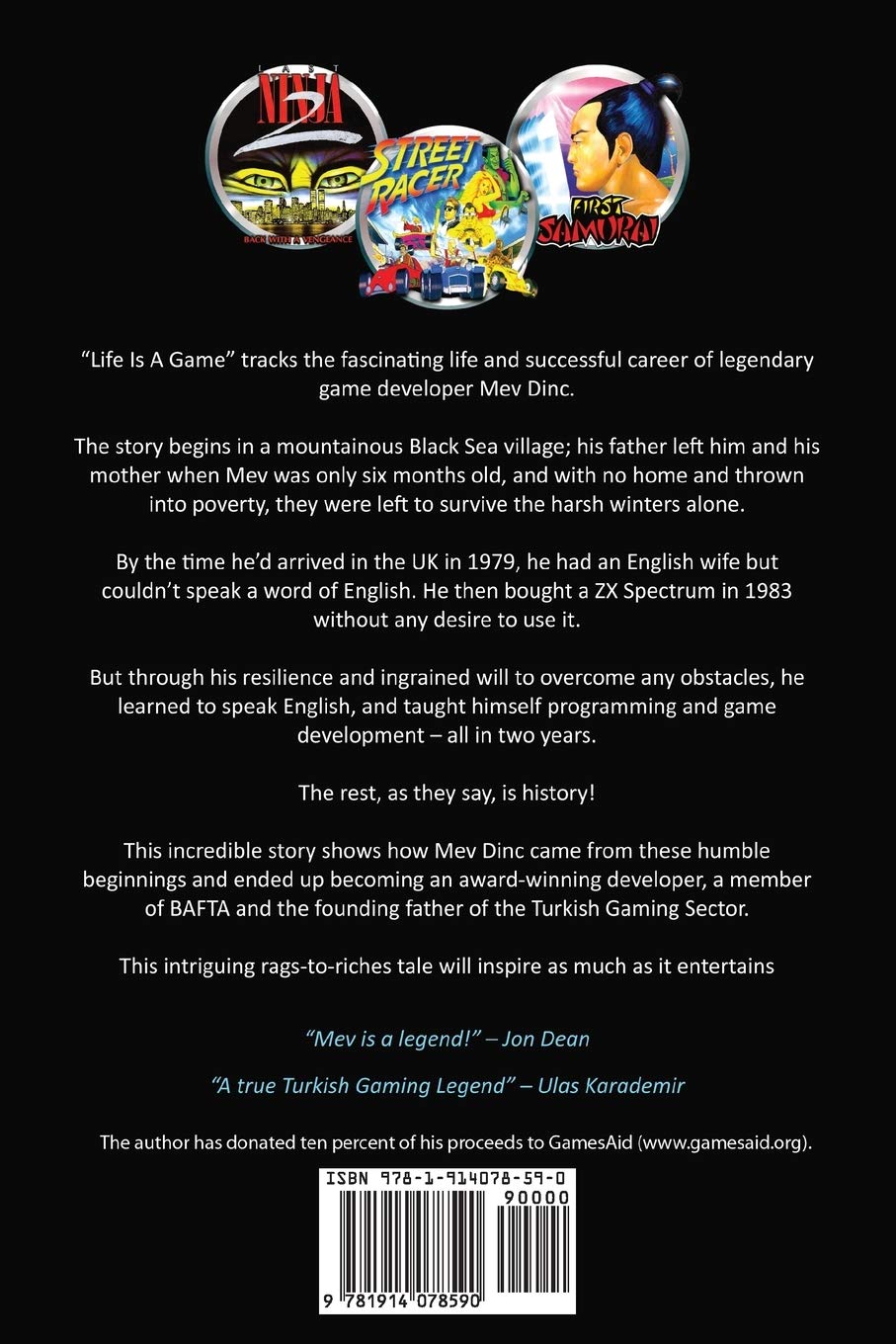
Pretendo ler este livro, mas o preço está a variar entre os 39euros e os 24euros, vamos ver como fica nos próximos tempos.
+infos(loja): LINK
A Guide to Japanese Role Playing Games
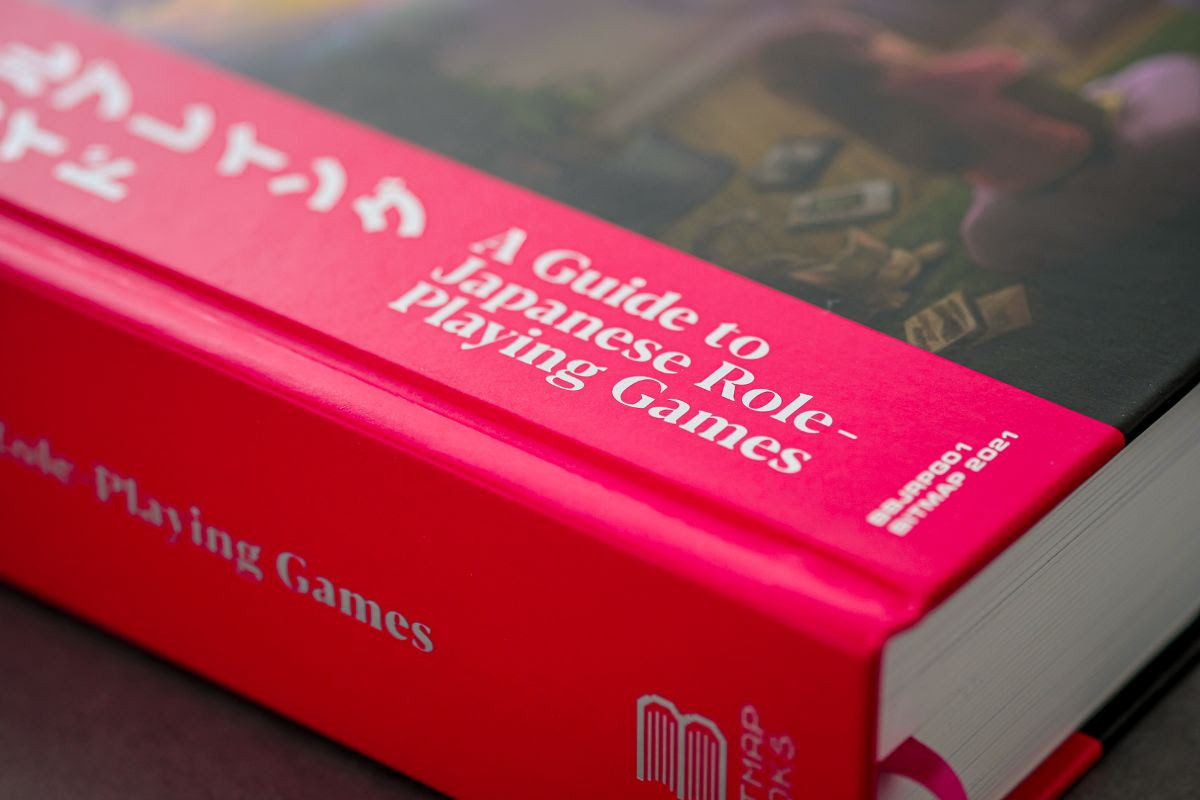
A malta do Bitmap Books vai lançar ainda este mês de junho o livro “A Guide to Japanese Role Playing Games”. De acordo com o autor trata-se de “detail the entire history of the genre from 1982 to 2020, while reviewing over 600 JRPGs. At 652 pages with a hardcover as standard, the book..”
Da experiência que tenho os livros desta editora são muito bons, com textos bem interessantes e um detalhe para o grafismo de muita boa qualidade.
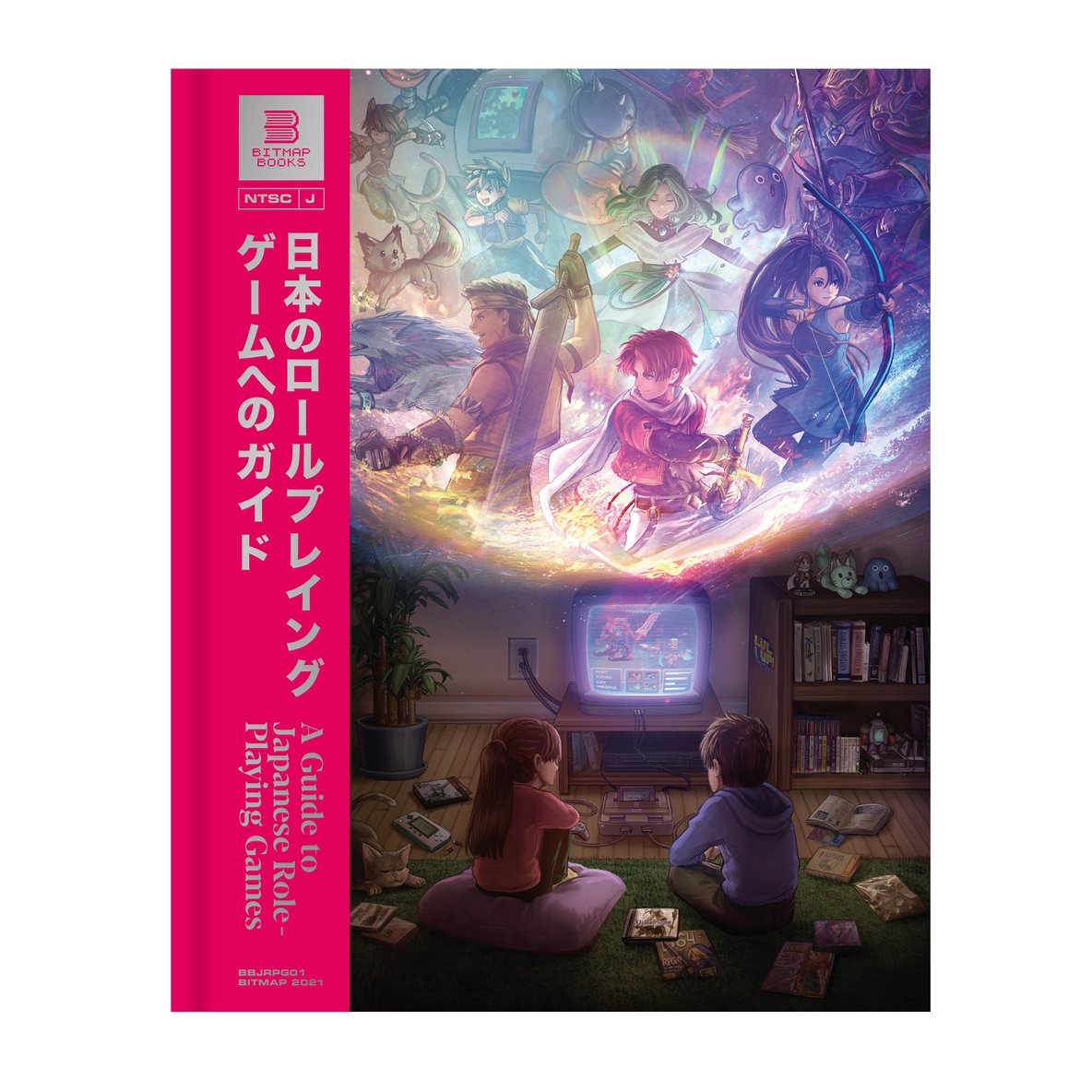
Não que seja o meu género de videojogos, mas é sempre bom conhecer um pouco da história.
+infos(oficial): LINK
Opiniões
A opinião de cada um vale o que vale, mas é sempre interessante ouvir e ler algumas daquelas que vale a pena. Já tinha em tempos passado os olhos pelo portal goodreads.com onde podemos encontrar opiniões de pessoas que leram livros .
E foi neste portal que encontrei o livro “Sid Meier’s Memoir!: A Life in Computer Games” e que foi escrito pelo próprio Sid Meier!!! Este senhor é um dos game designers que eu mais admiro, foi pelas mãos dele que eu tive conhecimento do jogo de RTS Colonization (um dos melhores que joguei) e posteriormente o jogo e sequela Civilization. Nesta altura ainda não sei muito bem do que se trata o livro mas já está na lista de aquisições para muito breve!!
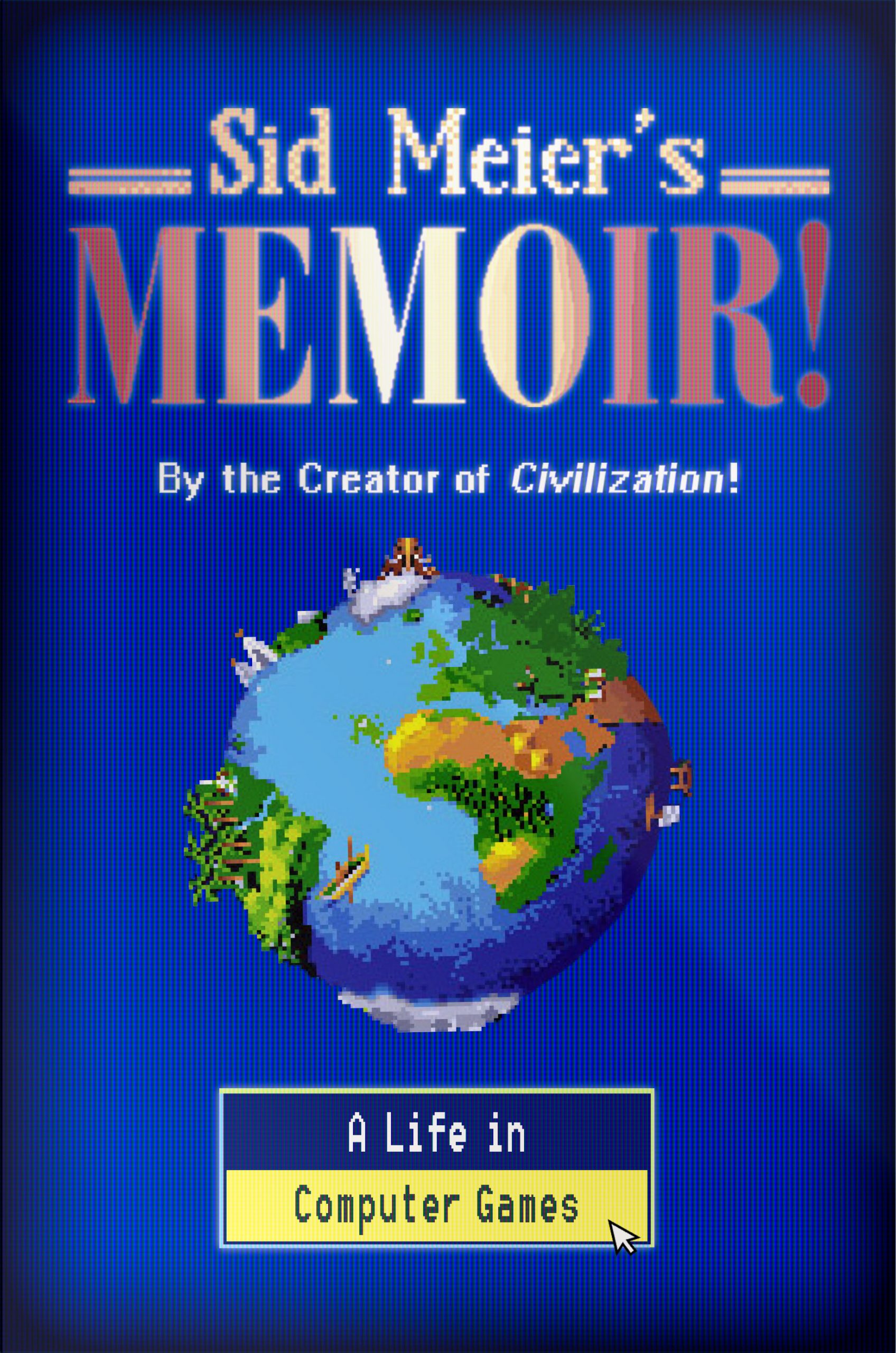
Também encontrei neste portal uma lista mais ou menos extensa (50 visiveis), e quase que organizada, acerca de “Books on Video Game History”. É sempre um tema que me interessa, principalmente se forem jogos indie e se foram jogos pelos quais eu passei várias horas. E neste caso também encontrei uma lista acerc do tema
+infos(Sid Meier): https://www.goodreads.com/book/show/50489373-sid-meier-s-memoir
+infos(a lista dos históricos): LINK
+infos(a lista do game designer): LINK
Livros a ler/comprar.. prenda?
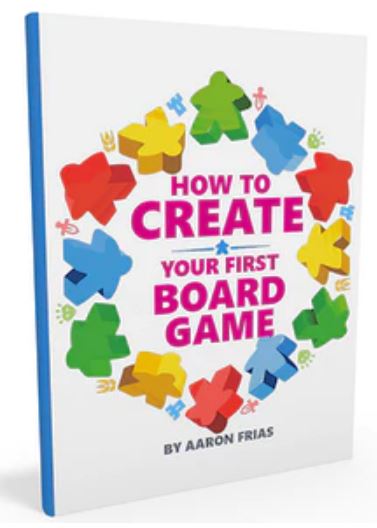
Encontrei mais uma referência de um livro que gostava de ler.. “How to create your first board game, 5º edição” por Aaron Frias .. está em campanha no kickstart.
conteudos :
Introduction
My First Board Game
Building on Your Game Idea
Common Board Game Trends
Popular Game Mechanisms
Game Journaling
Importance of Playing Modern Games
Translating Your Game Into a Spreadsheet
Your First, Hand-drawn Prototype
Solo Playtesting
Rough Prototypes
Graphic Design Tools
Design Basics
Rapid Prototyping Using the Component.Studio online tool
Printing your Prototypes
How to 3D print components for your game
Using Tabletopia and Tabletop Simulator to Upload, Pitch and Test Your Game
Group Playtesting
Pitching to Publishers
Blind Playtesting
Self-Publishing Basics
Kickstarter Basics
Kickstarter Video Basics
Rules Guide Recommendations
Shipping Basics
Mass Manufacturing Options
Lessons Learned
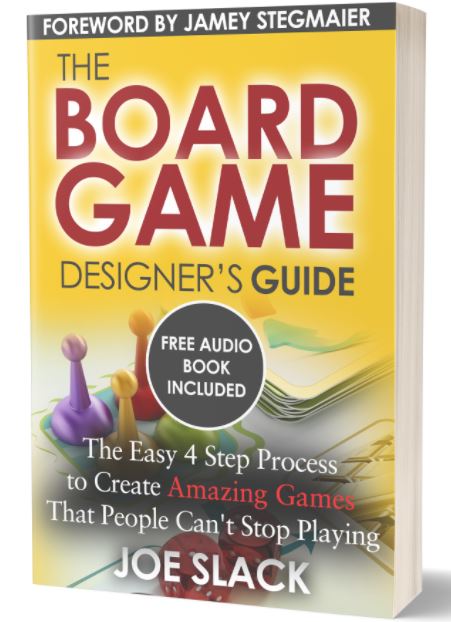
e o livro.. “The Board Game Designer’s Guide: The Easy 4 Step Process to Create Amazing Games That People Can’t Stop Playing” por Joe Slack
+infos(a campanha) LINK
Previsões.. por Joost van Dreunen

encontrei uma previsão do que supostamente vai acontecer em 2021 :P .. interessante perspetiva, mas..
+infos(fonte): https://superjoost.substack.com/p/predictions-new-rev-models-and-the
+infos(livro do autor): LINK
One Up: Creativity, Competition, and the Global Business of Video Games

saiu ou está quase a sair um livro de nome “One Up: Creativity, Competition, and the Global Business of Video Games“, que não tratando do tema que mais me agrada (o Game Desgin) parece apontar para o lado do negócio e dos valores na industria do desenvolvimento dos videojogos.
acho sempre interessante esta análise, nem que seja para chamar a atenção que esta industria vende mais do que tudo o resto.
o autor, Joost van Dreunen, também tem um blog onde vai partilhando alguns comentários sobre o que se passa no mundo e fazendo algumas análises ao mercado, e que merecem ser lidas :) encontrei este tópico acerca das receitas de comissões e vendas que a diferentes lojas digitais estão a implementar (LINK)
+infos(autor): https://www.superjoost.net/book
+infos(loja): LINK
Livros a ler/comprar.. prendas?
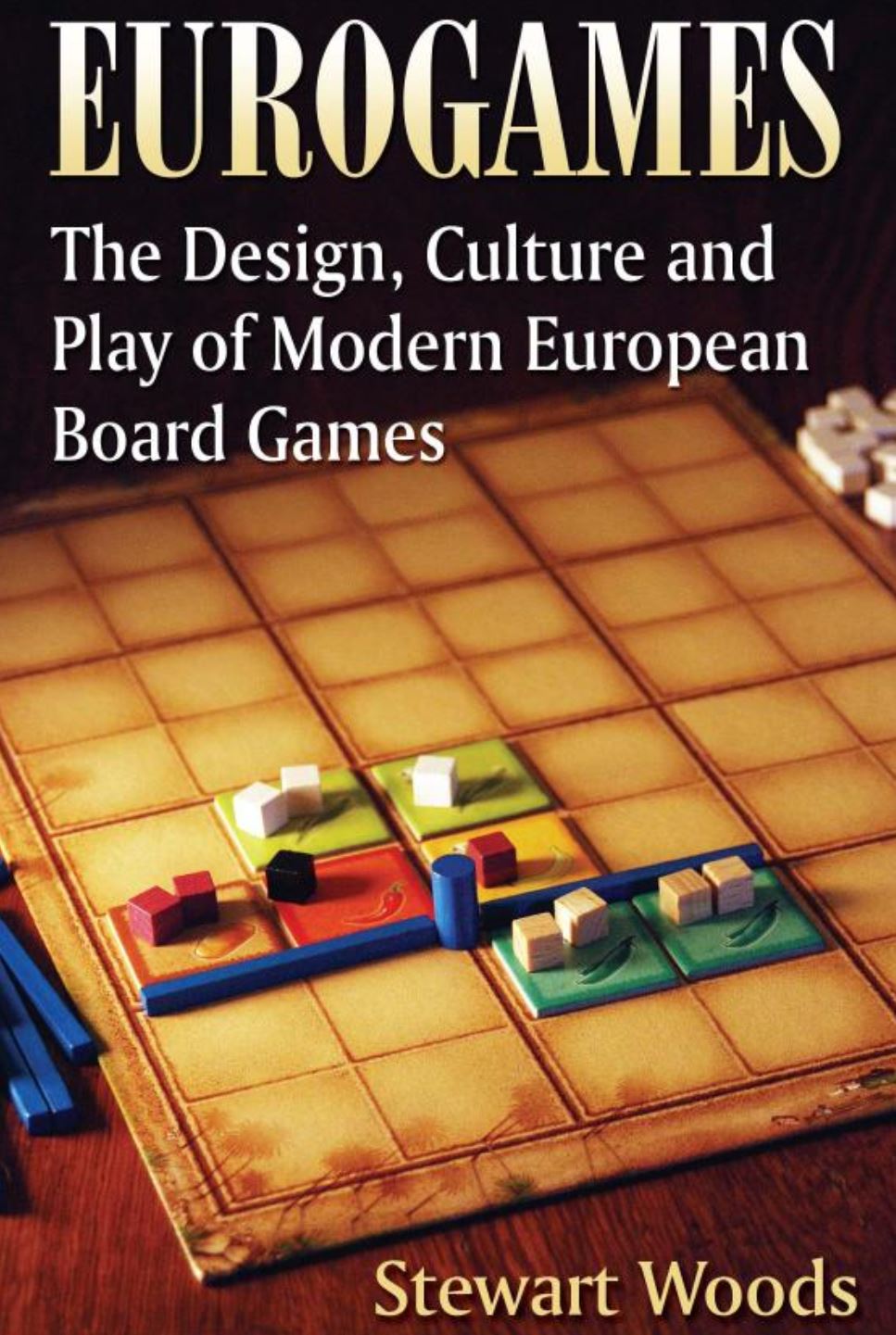
Eurogames: The Design, Culture and Play of Modern European Board Games, 2012, de Stewart Woods
+infos(na loja): LINK
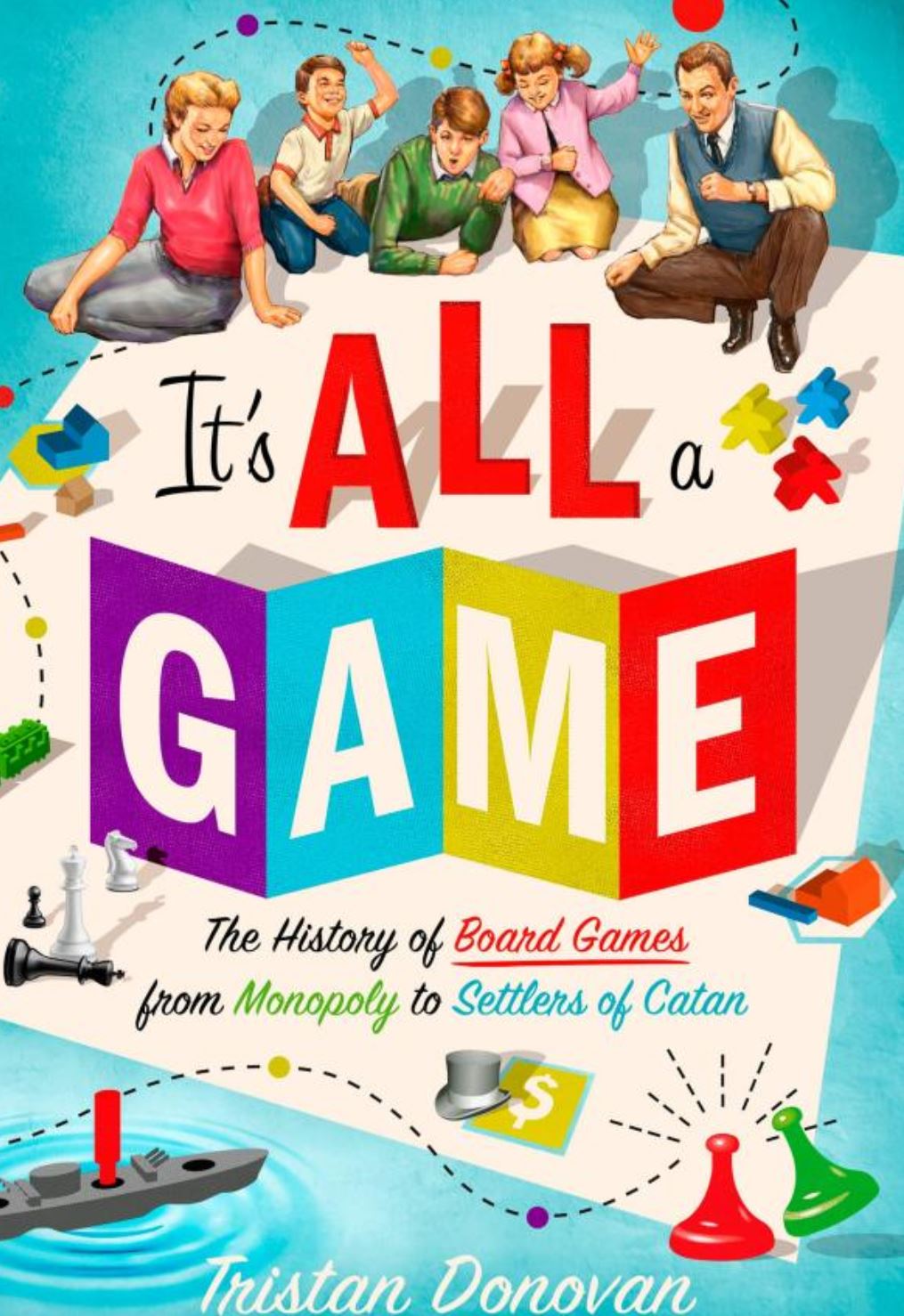
It’s All a Game: The History of Board Games from Monopoly to Settlers of Catan, 2017,de Tristan Donovan
+infos(na loja): LINK
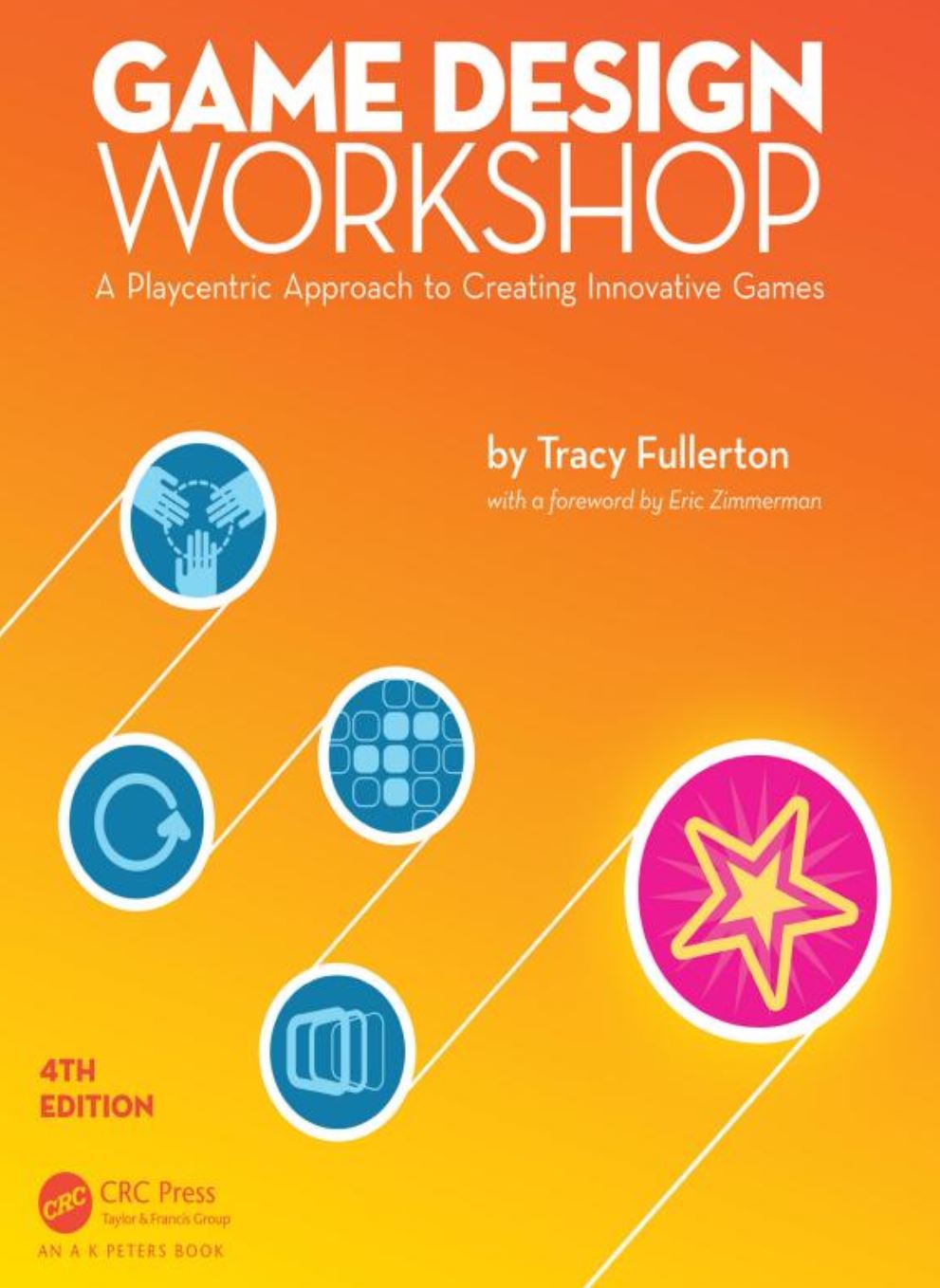
Game Design Workshop: A Playcentric Approach to Creating Innovative Games, Fourth Edition 4th Edition, 2018, de Tracy Fullerton
+infos(na loja): LINK
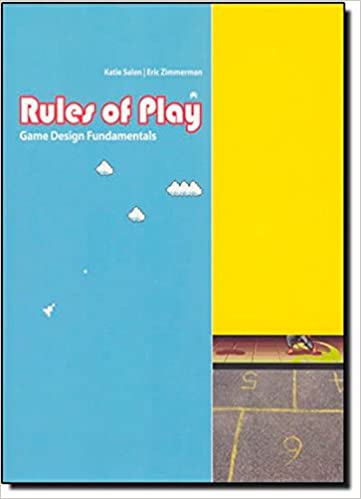
Rules of Play – Game Design Fundamentals, 2003, de K Salen
+infos(na loja): LINK
Umas lindas histórias..

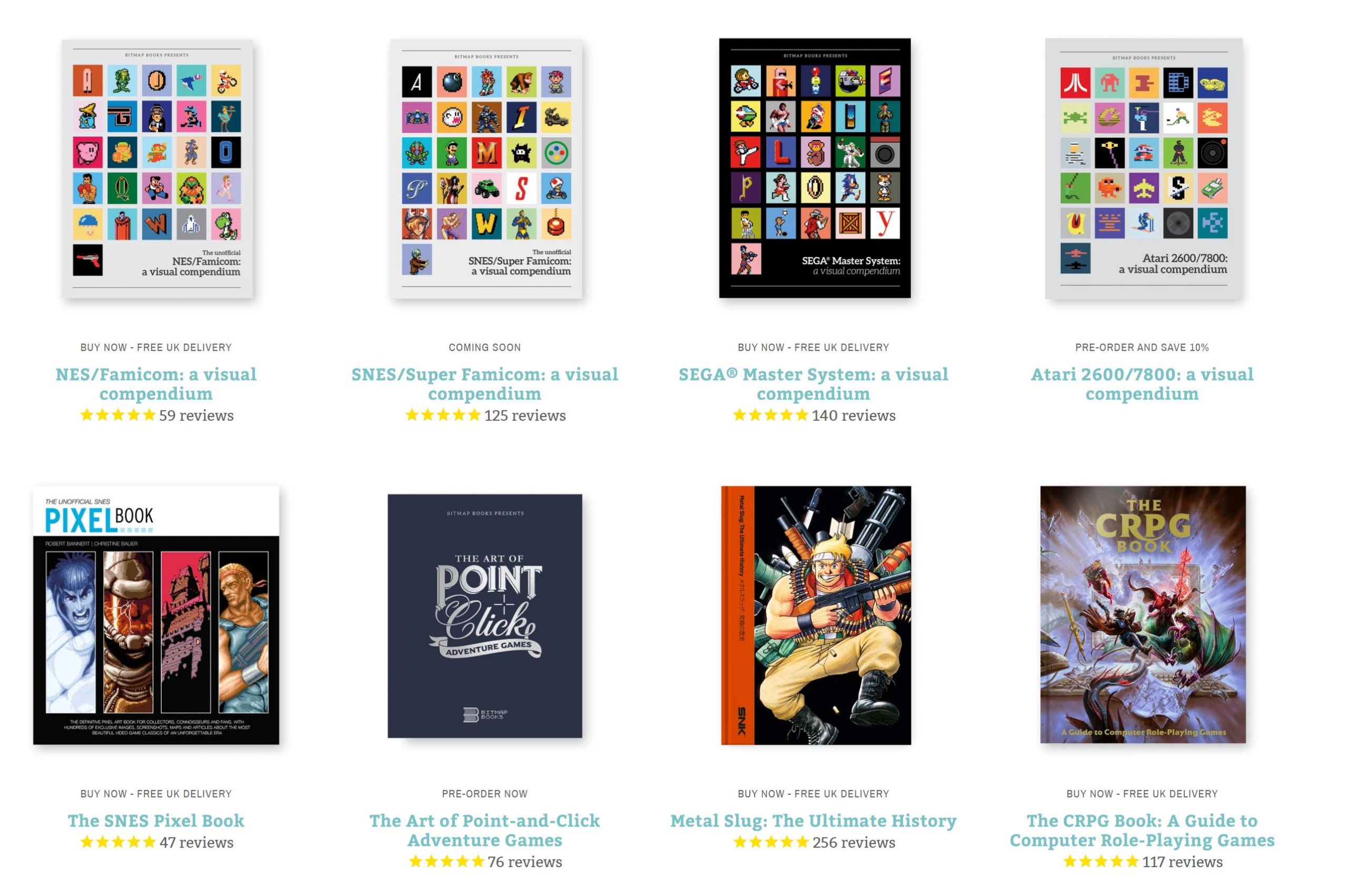
Encontrei esta editora, a Bitmap Books, que tem publicado uns livros muitos interessantes, relacionados com as histórias dos videojogos. A quase totalidade do livros têm um destaque muito especial para imagens dos videojogos, acompanhados de algumas histórias acerca dos mesmos. Das publicações já consta uma lista muito interessante e diversificada, na qual se pode encontrar:
Commodore Amiga: a visual Commpendium
Super Famicom: The Box Art Collection
Generation 64 – How the Commodore 64 inspired a generation of Swedish gamers
A Gremlin in the Works
Sinclair ZX Spectrum: a visual compendium
Commodore 64: a visual Commpendium
NES/Famicom: a visual compendium
SNES/Super Famicom: a visual compendium
NEOGEO: A VISUAL HISTORY
SEGA® Master System: a visual compendium
The Art of Point-and-Click Adventure Games
The CRPG Book: A Guide to Computer Role-Playing Games
H.G. Wells: The War of the Worlds Illustrated
ARTCADE – The Book of Classic Arcade Game Art (Extended Edition)
Metal Slug: The Ultimate History
The SNES Pixel Book
Atari 2600/7800: a visual compendium
Micro but Many: an unofficial Micro Machines collection
Ainda não tive o prazer de conhecer nenhum dos livros mas irei sem duvida querer ter acesso a dois/três deles :) Guess what? :P
(8/9/2020) refiz a minha lista de leitura.. e vou atacar os livros:
The Art of Point-and-Click Adventure Games
The Games That Weren’t
+infos(Bitmap Books): https://www.bitmapbooks.co.uk/
A história dos jogos produzidos na Finlândia (livro grátis)
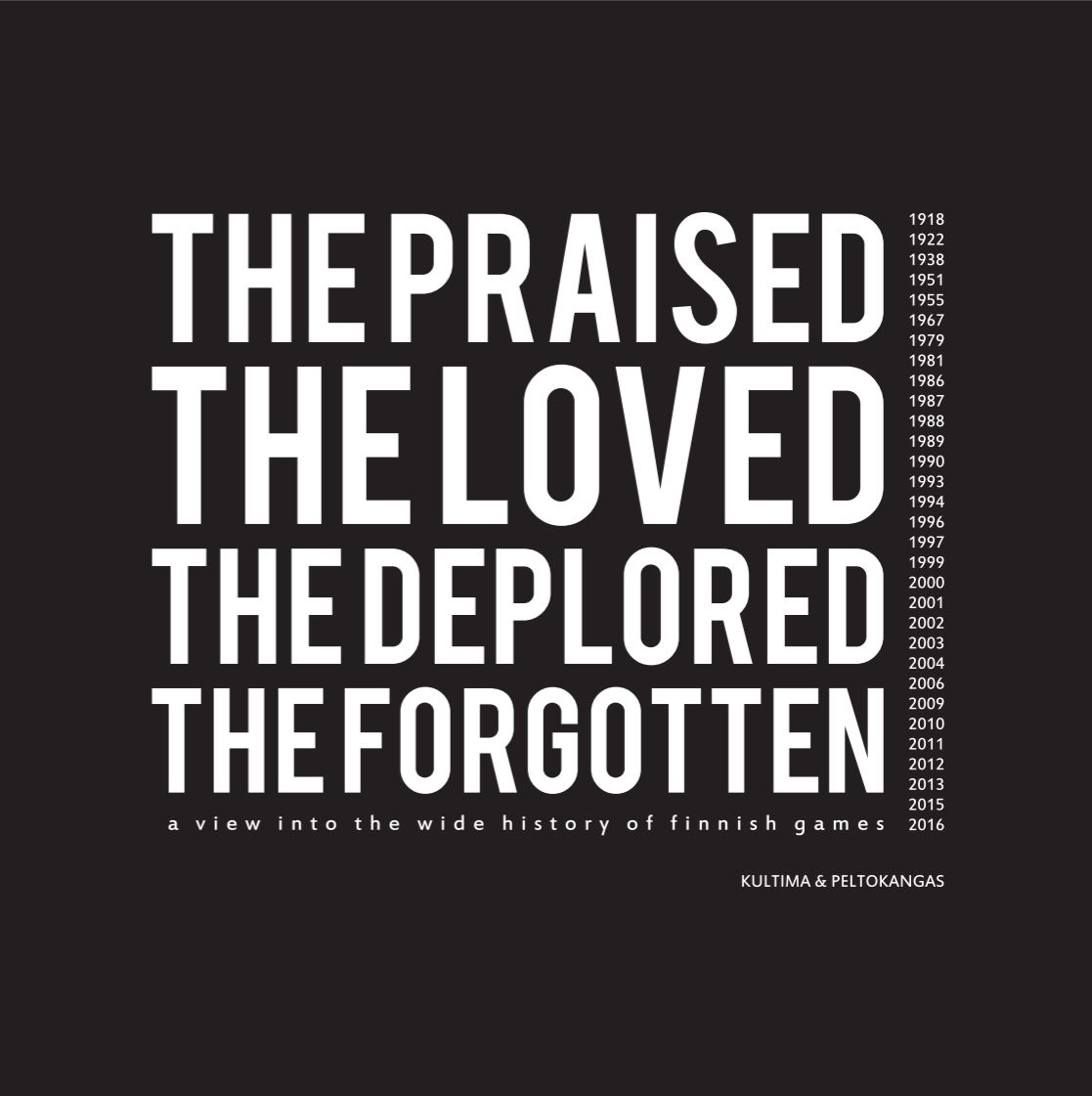
Para quem gosta de estudar e aprender sobre o Game Design é sempre bom conhecer algumas das histórias relacionadas com o desenvolvimento de videojogos. Este livro retrata um pouco das histórias na Finlândia. O título do livro é “The Praised, The Loved, The Deplored, The Forgotten : A View into the Wide History of Finnish Games” dos autores Annakaisa Kultima, e Jouni Peltokangas, com referências ao período de 1918 a 2016.
+infos(oficial): LINK
Handmade pixels: independent video games and the quest for authenticity
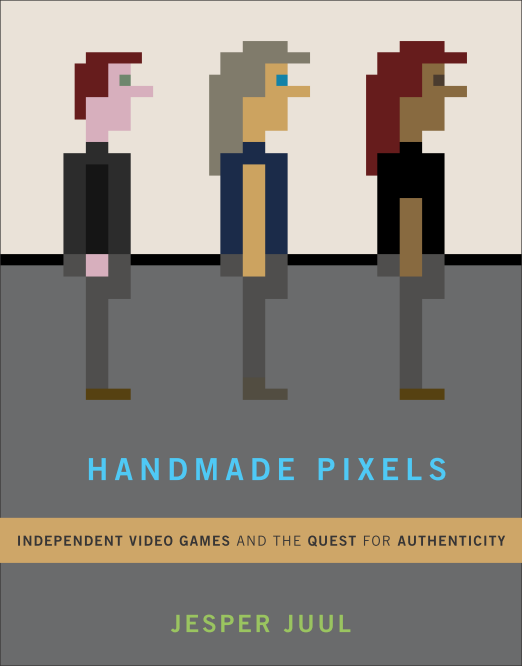
:) hoje é dia para divulgar por aqui livros, mais um: “Handmade pixels: independent video games and the quest for authenticity” de Jesper Juul
Acerca do livro:
“An investigation of independent video games—creative, personal, strange, and experimental—and their claims to handcrafted authenticity in a purely digital medium.
Video games are often dismissed as mere entertainment products created by faceless corporations. The last twenty years, however, have seen the rise of independent, or “indie,” video games: a wave of small, cheaply developed, experimental, and personal video games that react against mainstream video game development and culture. In Handmade Pixels, Jesper Juul examine the paradoxical claims of developers, players, and festivals that portray independent games as unique and hand-crafted objects in a globally distributed digital medium.
Juul explains that independent video games are presented not as mass market products, but as cultural works created by people, and are promoted as authentic alternatives to mainstream games. Writing as a game player, scholar, developer, and educator, Juul tells the story of how independent games—creative, personal, strange, and experimental—became a historical movement that borrowed the term “independent” from film and music while finding its own kind of independence.
Juul describes how the visual style of independent games signals their authenticity—often by referring to older video games or analog visual styles. He shows how developers use strategies for creating games with financial, aesthetic, and cultural independence; discusses the aesthetic innovations of “walking simulator” games; and explains the controversies over what is and what isn’t a game. Juul offers examples from independent games ranging from Dys4ia to Firewatch; the text is richly illustrated with many color images.”
Os conteúdos são:
Introduction
High-Tech Low-Tech Authenticity: The Creation of Independent Style at the Independent Games Festival
A selective History of Independen Games
How to Make and Independent Games
The Aesthetics of the Aesthetics of the Aesthetics of Video Games
Whoe Cares If It’s a Game?
Conclusions: Independent Evermore
+infos(oficial): LINK
Time and Space in Video Games: A Cognitive-Formalist Approach
Outro livro que gostava de ter acesso: Time and Space in Video Games: A Cognitive-Formalist Approach (Studies of Digital Media Culture, Bd. 9) de Federico Alvarez Igarzábal
“Video games are temporal artifacts: They change with time as players interact with them in accordance with rules. In this study, Federico Alvarez Igarzábal investigates the formal aspects of video games that determine how these changes are produced and sequenced. Theories of time perception drawn from the cognitive sciences lay the groundwork for an in-depth analysis of these features, making for a comprehensive account of time in this novel medium. The first book-length study exclusively dedicated to the topic, it is an indispensable resource for game scholars and game developers alike, while its reader-friendly style makes it readily accessible to the interested layperson.”
os conteúdos são:
Brain time in virtual space
“the state machine and the present moment”
“structuring gametime”
“cause, effect, and player-centric time
Interation in virtual space
“predictive thinking in virtual worlds”
“the goundhog day effect”
“the hybrid narrator”
Through the temporal landscape
“the speed of time”
“marshmallows and bullets”
“Chekhov’s BFG”
Conclusion
+infos(oficial): LINK
+infos(google books): LINK