Category: videojogos
Livros interessantes… (e que gostava de ter acesso)
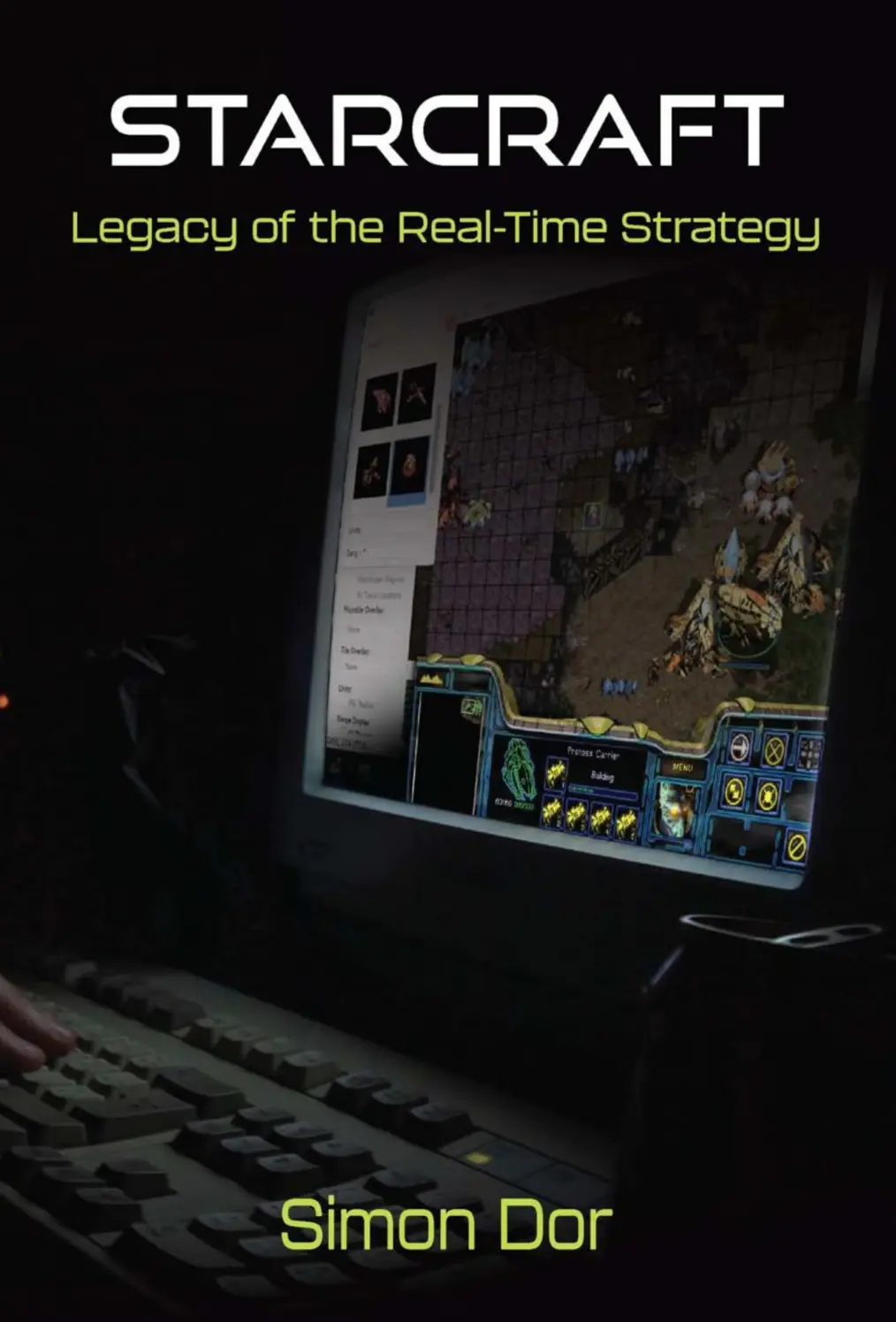
Já é possivel aceder gratuitamente (18 março de 2004) a este livro intitulado “StarCraft: Legacy of the Real-Time Strategy” de Simon Dor. O conteúdo passa pelas secções:
1. Decoding and Foreseeing
2. A Distinct Purity of Form
3. No rush
4. Path Of ascension
5. A distinct Purity of Essence
E ainda como texto de apresentação surge:
“StarCraft (Blizzard Entertainment, 1998) is a real-time strategy video game, placing the player in command of three extraterrestrial races fighting against each other for strategic control of resources, terrain, and power. Simon Dor examines the game’s unanticipated effect by delving into the history of the game and the two core competencies it encouraged: decoding and foreseeing. Although StarCraft was not designed as an e-sport, its role in developing foreseeing skills helped give rise to one of the earliest e-sport communities in South Korea.
Apart from the game’s clear landmark status, StarCraft offers a unique insight into changes in gaming culture and, more broadly, the marketability and profit of previously niche areas of interest. The book places StarCraft in the history of real-time strategy games in the 1990s—Dune II, Command & Conquer, Age of Empires—in terms of visual style, narrative tropes, and control. It shows how design decisions, technological infrastructures, and a strong contribution from its gaming community through Battle.net and its campaign editor were necessary conditions for the flexibility it needed to grow its success. In exploring the fanatic clusters of competitive players who formed the first tournaments and professionalized gaming, StarCraft shows that the game was key to the transition towards foreseeing play and essential to competitive gaming and e-sports.”
+infos(oficial): LINK
Também encontrei este livro, “Assassin’s Creed in the Classroom History’s Playground or a Stab in the Dark?” dos editores Erik Champion e Juan Francisco Hiriart Vera. Do texto de apresentação surge:
“The open world role-playing Assassin’s Creed video game series is one of the most successful series of all time, praised for its in-depth use of historical characters and events, compelling graphics, and addictive gameplay. Assassin’s Creed games offer up the possibility of exploring history, mythology, and heritage immersively, graphically, and imaginatively. This collection of essays by architects archaeologists and historiansexplores the learning opportunities of playing, modifying, and extending the games in the classroom, on location, in the architectural studio, and in a museum.”
O livro tem também os seguintes contributos:
Introduction: History’s Playground or a Stab in the Dark?
Chapter 1 Historical Video Games and Teaching Practices
Chapter 2 Discovery Tour Curriculum Guides to Improve Teachers’ Adoption of Serious Gaming
Chapter 3 Christian Vikings Storming Templar Castles: Anachronism as a Teaching Tool
Chapter 4 Ludoforming the Past: Mediation of Play and Mediation of History through Videogame Design
Chapter 5 Exploring History through Depictions of Historical Characters in Assassin’s Creed Odyssey
Chapter 6 Empathy and Historical Learning in Assassin’s Creed Valhalla Discovery Tour
Chapter 7 The Discovery Tour as a Mediated Tool for Teaching and Learning History
Chapter 8 Discovering the Past as a Virtual Foreign Country: Assassin’s Creed as Historical Tourism
Chapter 9 Classical Creations in a Modern Medium: Using Story Creator Mode in a University Assignment
Chapter 10 Assassin’s Creed @ The Carlos: Merging Games and Gallery in the Museum
Chapter 11 From the Sketchbook to Assassin’s Creed Valhalla: An Experiment in Architectural Education
Chapter 12 Assassin’s Creed As Immersive and Interactive Architectural History
+infos(oficial): LINK
A guide to Movie Based Video Games 1982-2000
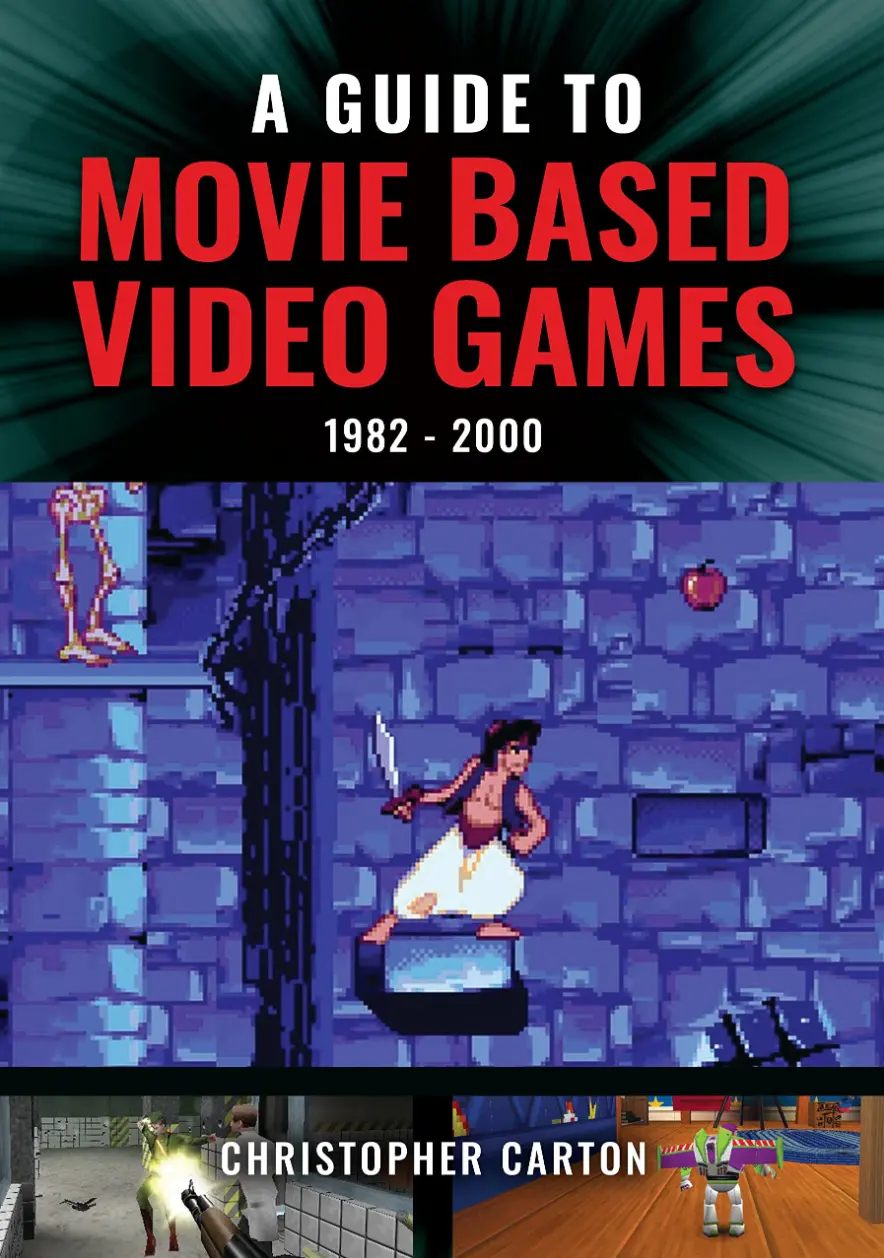
Eu não sou grande fã de videojogos que surgem pela via de filmes, pois normalmente não trazem nada de novo a não ser a experiência de ser uma personagem de um determinado filme, contudo também existem vários exemplos do inverso.. e na maioria das vezes os filmes não são grande coisa. Este é mais um livro que trata de apresentar esta temática e tem como resumo:
“Long before gaming came to the big screen, cinema arrived in the homes of millions in the form of licensed video games; playable merchandise that tied in to some of the major tentpoles of cinematic history. Many of these games followed the storylines of the movies on which they were based, as well as providing supplementary adventures to major franchises. Collected in this book are some of the biggest games to come from Hollywood adventures during the ’80s and ’90s.
In this comprehensive book, you’ll find over 300 games across 18 chapters, with sections dedicated to major movie franchises such as Star Wars, Jurassic Park, Top Gun, Pixar, Aliens and Indiana Jones, along with nearly 200 full-color screenshots of major releases. Showcasing the highs and lows of early computer gaming through the 16-bit era and onto the advent of 3D console gaming, A Guide to Movie Based Video Games: 1982 – 2000 covers two decades of video games with trivia, analysis and recommendations.”
+infos(loja): LINK
The Routledge Companion to Video Game Studies
Gostava de ter acesso a este livro que é uma coleção de textos de vários autores. “The Routledge Companion to Video Game Studies” editado por Mark J.P. Wolf, Bernard Perron
+infos(oficial): LINK
The Rules We Break : Play games. Solve problems. Design better.
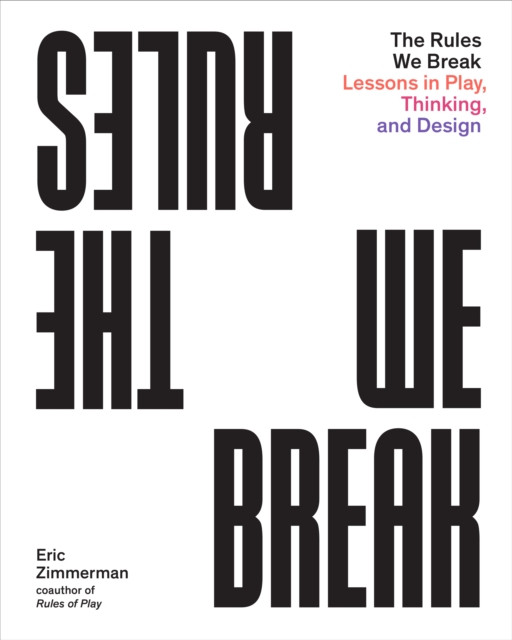
Vai estar brevemente disponivel o livro The Rules We Break : Play games. Solve problems. Design better de Eric Zimmerman. De acordo com o autor o livro:
“Games and exercises to help designers understand how people think, how systems work, and how a design process can unfold.
Exercises in Play, Systems, and Design is a collection of hands-on, real-world exercises for designers of all kinds. Games and play can help designers understand how people think, how systems work, and how a design process can unfold. The exercises are sometimes played on a tabletop, and sometimes are physical and social games, but they are all thought-provoking and (of course!) very fun to play. The book is divided into three sections, games that can be played in 30 minutes, 2 hours, and a day or more. They are valuable for anyone who wants to know more about how people think, how systems work, how to create meaningful experiences, and how to redesign the world for the better.
Short, inspirational essays begin each section, where readers learn about productive collaboration, creative problem solving, how to communicate ideas, and analyzing how systems work.”
O livro tem um site do qual se podem retirar alguns documentos para serem impressos. Tratam-se dos extras/tabuleiros para serem jogados porque quem vai ler o livro :)
+infos(oficial): https://theruleswebreak.com/
Homeworld, uma história de um GameDev
Um história na primeira pessoa em como surgiu o jogo Homeworld :)
Ensino de videojogos em Portugal
Esta informação foi retirada do site da Sociedade Portuguesa de Ciências dos Videojogos (SPC videojogos):
Licenciaturas em Portugal
Licenciatura em Design de Jogos Digitais, IPB, Bragança
Licenciatura em Engenharia e Desenvolvimento de Jogos Digitais, IPCA, Barcelos
Licenciatura em Games and Apps Development, Universidade Europeia, Lisboa
Licenciatura em Jogos Digitais e Multimédia, IPL, Leiria
Licenciatura em Videojogos, Universidade Lusófona de Humanidades e Tecnologias, Lisboa
Licenciatura em Videojogos e Aplicações Multimédia, Universidade Lusófona, Porto
Mestrados em Portugal
Mestrado em Computação Gráfica, Universidade Aberta + Universidade do Porto + Universidade de Coimbra (online)
Mestrado em Comunicação Multimédia – Multimédia Interactivo, UA, Aveiro
Mestrado em Design e Desenvolvimento de Jogos Digitais, UBI, Covilhã
Mestrado em Engenharia de Desenvolvimento em Jogos Digitais, IPCA, Barcelos
Mestrado em Engenharia Informática e Computadores – Especialização em Jogos, IST-Taguspark, Oeiras
Mestrado em Multimédia – Especialização em Tecnologias Interativas e Jogos Digitais, UP, Porto
Pós-Graduações em Portugal
Curso de Especialização em Design de Interação, Web e Jogos, UP, Porto
Pós-Graduação em Aplicações Móveis Multimédia, Universidade Lusíada, Lisboa
Unidades Curriculares em Cursos em Portugal
Mestrado em Ciências da Comunicação, variante Internet e Novos Media, UCP, Lisboa
– Videojogos e entretenimento [obrigatória]
Mestrado em Design de Comunicação, e Mestrado em Arte Multimédia, FBA/UL, Lisboa
– Game Design [Opcional]
Mestrado em Design e Multimédia, UC, Coimbra
– Diversas unidades que o aluno pode combinar para fazer a sua especialização em jogos: Design de Jogos, Modelação, Animação, Design de Som, Design Generativo, Design de Interação, Tecnologias de Interface, Arquitectura de Interface; com projeto especializado na área e componente de investigação.
Mestrado em Engenharia Informática, UBI, Covilhã
– Tecnologias de Jogos de Vídeo [Obrigatória]
Mestrado em Engenharia Informática, UC, Coimbra
– Design de Jogos
Mestrado Integrado em Engenharia Informática e Computação, FEUP, Porto
– Desenvolvimento de Jogos de Computador [Opcional], com projetos desenvolvidos em conjunto com Seminários de Design II – Modelação (Licenciatura em Design de Comunicação, FBAUP) e Design de Som para Media Digitais (Mestrado em Multimédia, UPorto).
Mestrado em Multimédia, FEUP, Porto
– Jogos Digitais [Opcional]
– Diversas unidades para trabalhar na área: Sistemas Digitais Interativos, Sistemas Gráficos e Animação 3D, Interfaces Multimodais, Design de Som para Media Digitais
Mestrado em Tecnologia e Arte Digital, UM, Braga
– Narrativas Digitais [Obrigatória]
Licenciatura em Arte Multimédia, UL, Lisboa
– Metodologia Projetual Multimédia
– Sistemas Interativos
Licenciatura em Audiovisual e Multimédia, ES Comunicação Social, Lisboa
– 3d Interactivo [Opcional]
– Multimédia e Jogos [Opcional]
Licenciatura em Ciências da Comunicação e da Cultura, ULHT, Lisboa
– Cibertexto e Videojogos [Opcional]
Licenciatura em Design de Comunicação, ISMAT, Portimão
– Videojogos e Médias Interactivos [Opcional]
Licenciatura em Design e Multimédia, UC, Coimbra
– Diversas unidades para trabalhar na área: Design de Meios Interactivos, Computação Gráfica, Inteligência Artificial, Projeto de Comunicação Multimédia e Projeto Multimédia Interactivo.
Pós-graduação em Media e entretenimento, UCP, Lisboa
Jogos Digitais [obrigatória]
Boss Fight Books

Acerca deste grupo de trabalho:
“Boss Fight Books, founded in Los Angeles in June 2013, publishes nonfiction documentary-style books about classic video games. Each of our books takes a critical, historical, and personal look at a single game.
Some books focus on the history of the game’s creation, some focus on particular elements like level design, story, and music, some investigate the subculture that has formed around a game, and some reflect on the game’s role in the author’s own life.
Each book is written by a different author from in or out of the video game industry. We work with game designers, game journalists, novelists, voice actors, film critics, musicians, and artists. Most of the time, a book’s subject is chosen by the author because they are passionate and curious about the game.”
da lista de livros constam os seguintes:
EarthBound by Ken Baumann
Chrono Trigger by Michael P. Williams
ZZT by Anna Anthropy
Galaga by Michael Kimball
Jagged Alliance 2 by Darius Kazemi
Super Mario Bros. 2 by Jon Irwin
Bible Adventures by Gabe Durham
Baldur’s Gate II by Matt Bell
Metal Gear Solid by Ashly and Anthony Burch
Shadow of the Colossus by Nick Suttner
Spelunky by Derek Yu
World of Warcraft by Daniel Lisi
Super Mario Bros. 3 by Alyse Knorr
Mega Man 3 by Salvatore Pane
Soft & Cuddly by Jarett Kobek
Kingdom Hearts II by Alexa Ray Corriea
Katamari Damacy by L. E. Hall
Final Fantasy V by Chris Kohler
Shovel Knight by David L. Craddock
Star Wars: Knights of the Old Republic by Alex Kane
NBA Jam by Reyan Ali
Breakout: Pilgrim in the Microworld by David Sudnow
Postal by Brock Wilbur & Nathan Rabin
Red Dead Redemption by Matt Margini
Resident Evil by Philip J Reed
The Legend of Zelda: Majora’s Mask by Gabe Durham
Silent Hill 2 by Mike Drucker
Final Fantasy VI by Sebastian Deken
+infos(oficial): https://bossfightbooks.com/
Previsões.. por Joost van Dreunen

encontrei uma previsão do que supostamente vai acontecer em 2021 :P .. interessante perspetiva, mas..
+infos(fonte): https://superjoost.substack.com/p/predictions-new-rev-models-and-the
+infos(livro do autor): LINK
Palestras sobre jogos e videojogos (online)
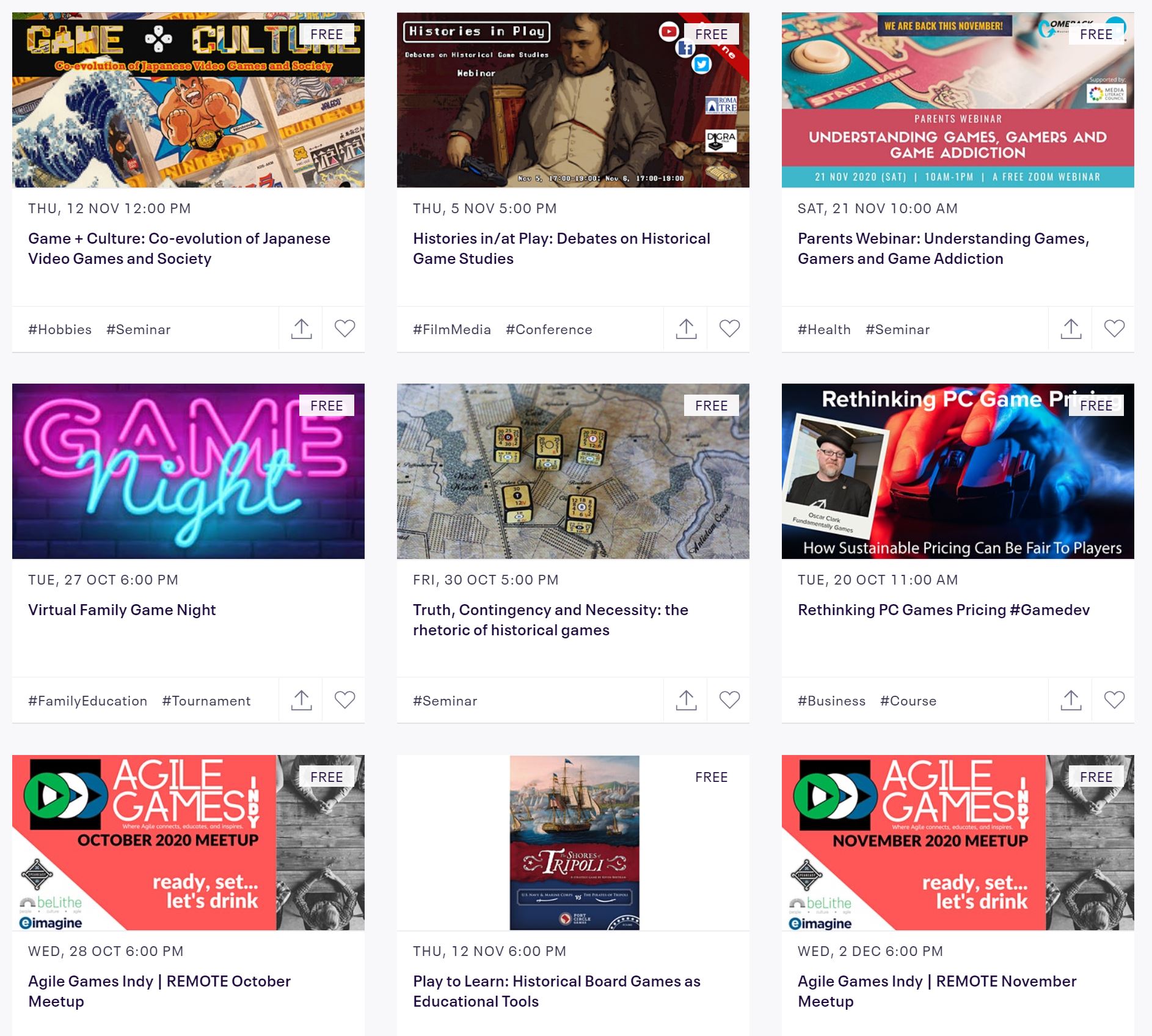
Encontrei umas palestras acerca de jogos e videojogos que são “patrocinadas” pelo The Birmingham Centre for Media and Cultural Research (BCMCR). Das próximas destaco as seguintes:
Rethinking PC Games Pricing, por Oscar Clark
Truth, Contingency and Necessity: the rhetoric of historical games
E também pela Georgetown University Wargaming Society (GUWS) do qual destaco:
Game Design & Self-Publication by Brian Train
Play to Learn: Historical Board Games as Educational Tools
+infos(BCMCR Research Events): https://www.bcu.ac.uk/media/research
+infos(Georgetown University Wargaming Society): https://www.guwargaming.com/
+infos(eventbrite, as sessões): LINK
Games Research Positions
É sempre bom quando existe uma lista organizada onde podemos consultar e verificar que tipo de trabalhos de investigação/estudos podemos realizar um pouco por todo o mundo. A totalidade dos casos apresentados estão relacionados com cursos superiores em universidades/instituições publicas e privadas que se dedicam a trabalhar com videojogos nos mais diferentes contextos.
+infos(lista original): LINK
+infos(lista atualizada): LINK
Making Games, uma revista

Encontrei esta referência de uma revista que conversa/faz reportagens com a malta que anda a desenvolver ou que já desenvolveu videojogos, muito interessante, tive acesso ao último número mas gostava de espreitar todos os outros. Normalmente só temos acesso a estas informações em blogs oue m alguns livros, não sabia que também haviam revistas. É uma revista alemã, que sai de dois em dois meses, e escrita em inglês.
+infos(oficial): https://shop.computec.de/pc-magazine/making-games/
Fusion ZX (acesso gratuito)
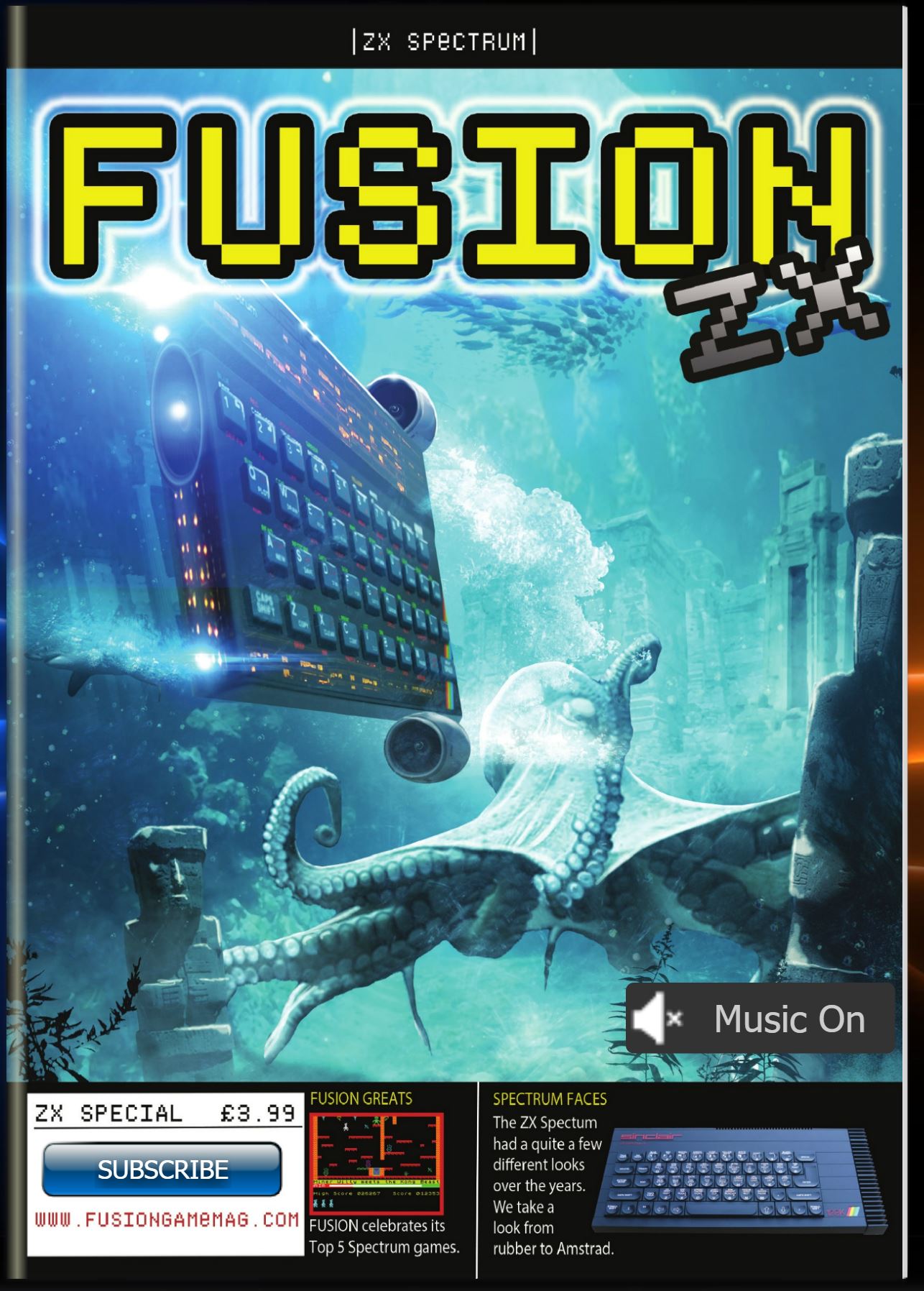
A malta do site retro-now.com disponibilizou gratuitamente o acesso a uma dos números da revista Fusion. O grande mentor e impulsionador deste formato é o senhor Chris Wilkins,que tem apresentado nos últimos anos várias revistas e livros sobre a família do ZX Spectrum
e o conteúdo deste número é o seguinte:
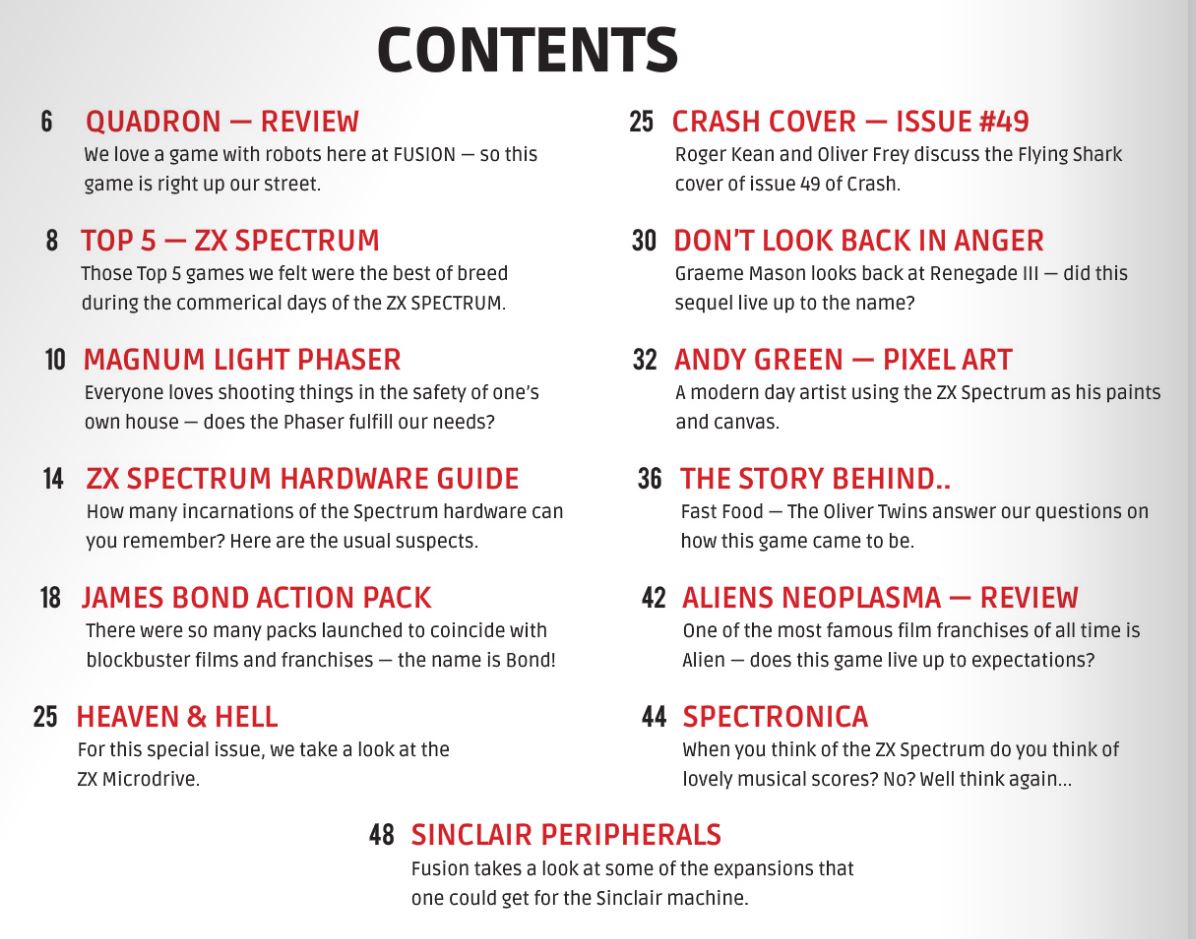
+infos(revista): LINK
Project Horseshoe
“Solutions to some problems require the efforts of more than one person. Some problems are simply too big to be fully understood by any individual working alone. Project Horseshoe provides a unique think-tank atmosphere that nurtures deep discussions and collaborative problem solving efforts. Since 2006, Project Horseshoe has formed a strong and supportive community of brilliant and talented games industry professionals who are deeply interested in exploring and pushing the frontiers of game design.”
Encontrei este grupo de trabalho que se reúne anualmente para conversar e discutir assuntos relacionados com o game design. Têm disponibilizado alguns relatos que são de acesso gratuito.
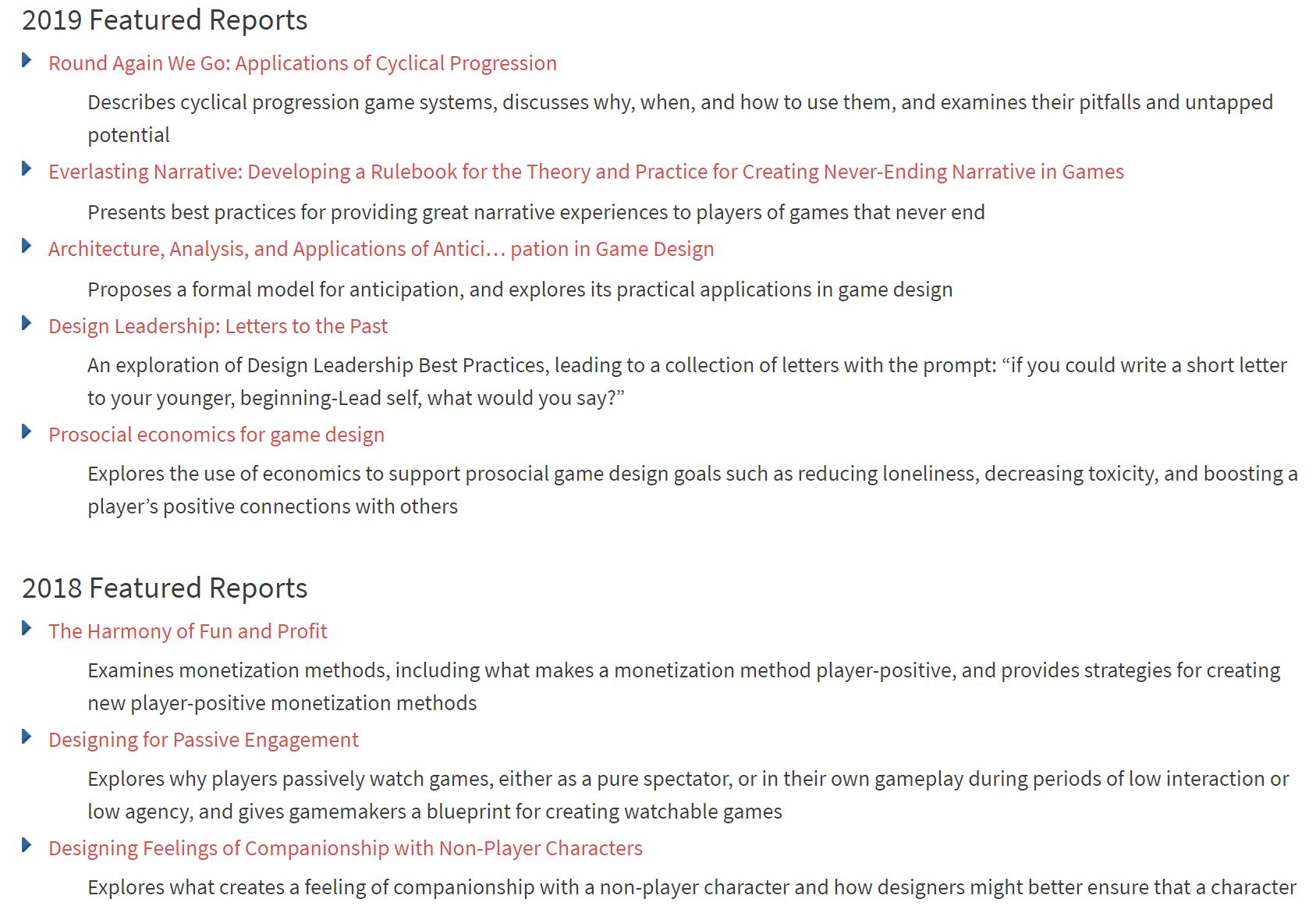
+infos(oficial): https://www.projecthorseshoe.com/
+infos(oficial reports): https://www.projecthorseshoe.com/reports/
Repositório para investigação sobre videojogos

Encontrei mais um repositório de investigação :)
+infos(Tampere University of Technology): LINK
Um grupo de trabalho, acerca de videojogos
Encontrei, durante o trabalho que estava a realizar, um grupo de trabalho, o Game Hub Scandinavia, que tem desenvolvido um trabalho muito interessante dedicado ao perfil de saída dos alunos de três países: Noruega, Dinamarca e Suécia. Das leituras dos documentos dá para perceber que todos os alunos acabam por ficar nestes países a trabalhar e que tem havido uma melhoria no ensino e que talvez por esse motivo, nestes países têm saído para o mercado um grande número de videojogos com grande qualidade.
leituras que recomendo:
Working with Serious Games, de Björn Berg Marklund, Marcus Hellkvist, Per Backlund, Henrik Engström, e Marcus Toftedahl
Game Localization
Swedish game Education: 2001-2016, de Björn Berg Marklund
Higher Video-Game Education in Scandinavia
New handbook for indie game devs and educational institutions
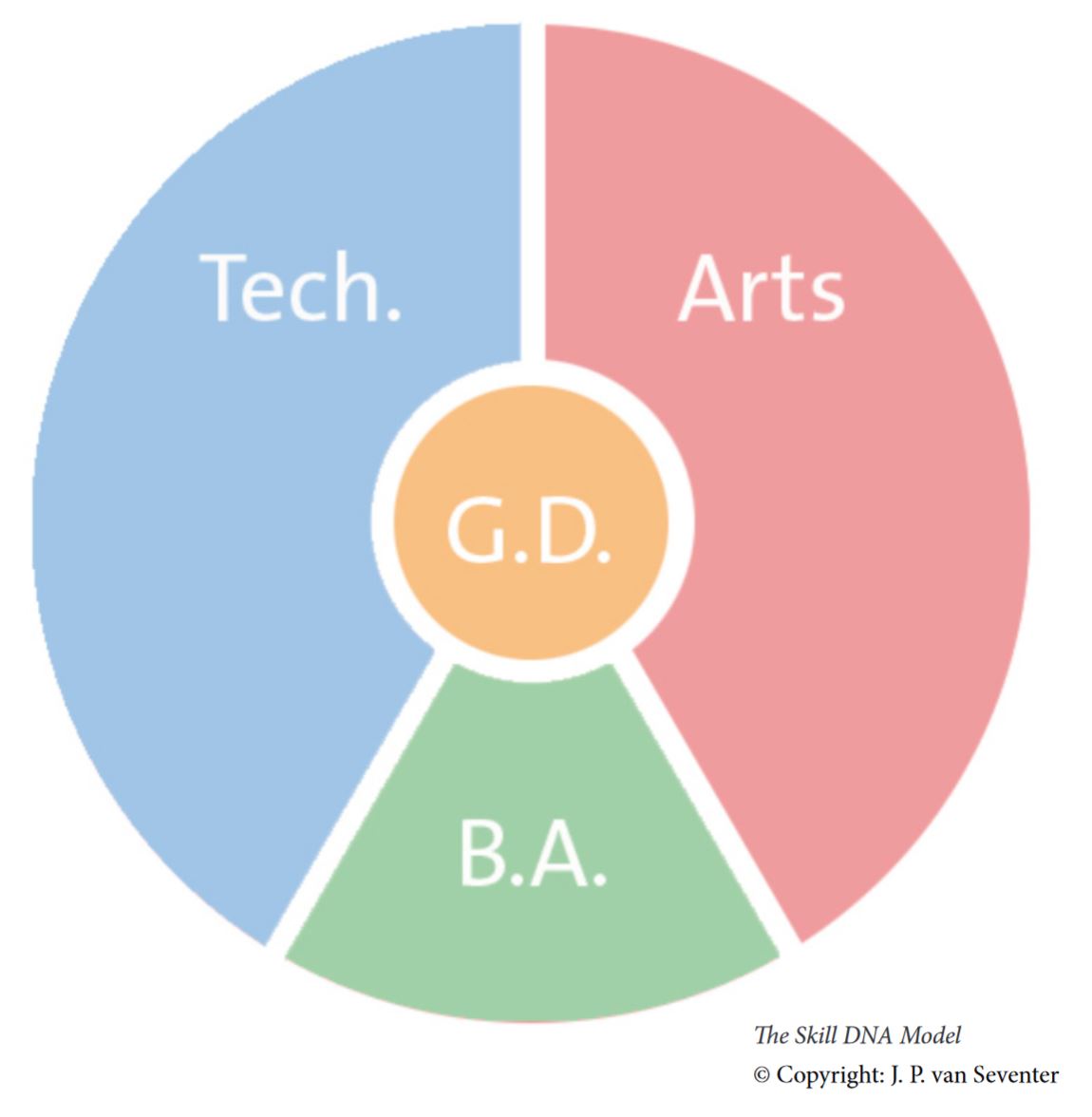
+infos(oficial): LINK
5th International Conference on Game Jams, Hackathons and Game Creation Events (conferência)
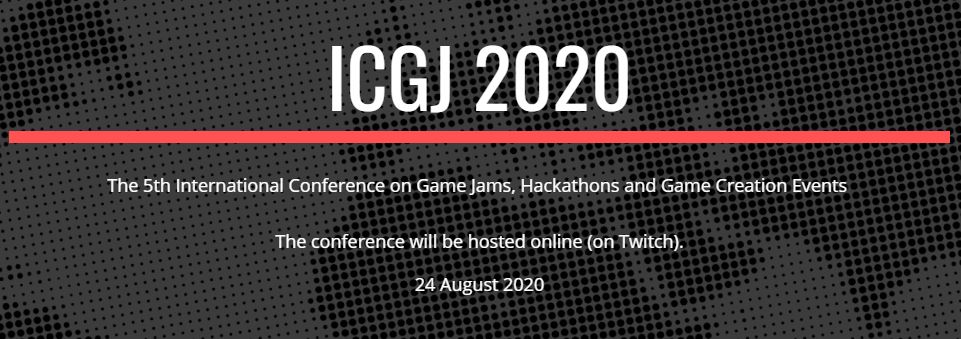
Chamada de trabalhos até 26 de abril, sendo que os temas são:
Communication skills
Games Done Quick
Community building
Group dynamics
Creativity
Ideation
Educational dimension of game jams and hackathons
Incentives and rewards in game jams and hackathons
Game design issues in game jams
Learning in game jams and hackathons
Game jam and hackathon attendance: who and why?
Makerspaces
Game jam and hackathon impacts
Rapid game development
Game jam and hackathon methodologies
Team formation
Game jam and hackathon resources and assets
Theme development
Os trabalhos apresentados nesta conferência podem ser consultados, em:
ICGJ 2016 (LINK)
ICGJ 2017 (LINK)
ICGJ 2018 (LINK)
ICGJ 2019 (LINK)
+infos(oficial): LINK
Game Documentation (mais um video)
Mais um video encontrado para relembrar alguns dos aspectos acerca do desenvolvimento de um videojogos, que é o de manter um histórico acerca do que se vai fazendo.
A história dos jogos produzidos na Finlândia (livro grátis)
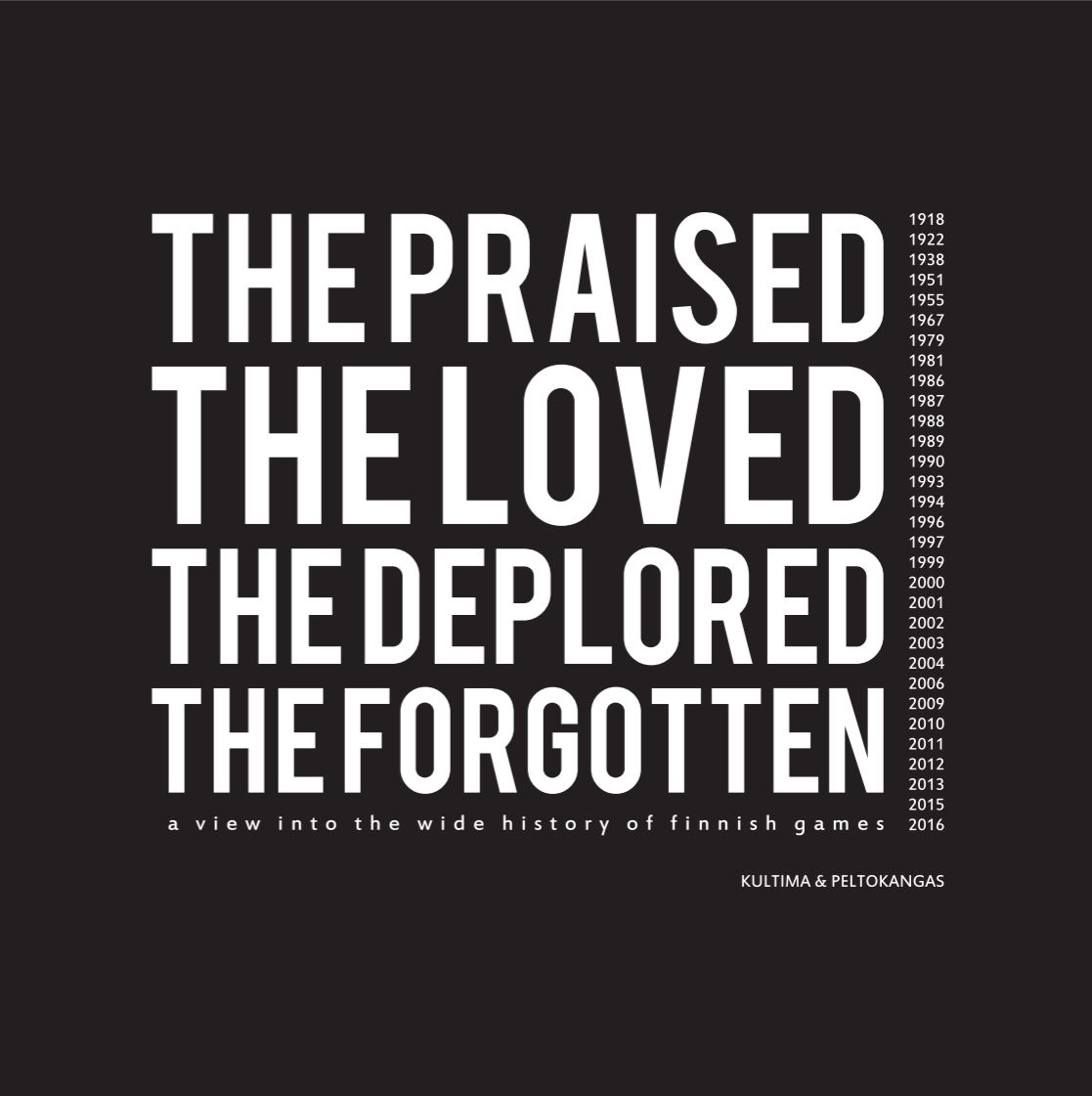
Para quem gosta de estudar e aprender sobre o Game Design é sempre bom conhecer algumas das histórias relacionadas com o desenvolvimento de videojogos. Este livro retrata um pouco das histórias na Finlândia. O título do livro é “The Praised, The Loved, The Deplored, The Forgotten : A View into the Wide History of Finnish Games” dos autores Annakaisa Kultima, e Jouni Peltokangas, com referências ao período de 1918 a 2016.
+infos(oficial): LINK
David Jones – Videogame Preservation Case Study (uma leitura)

Texto interessante que descreve um cenário que está a surgir um pouco por todo o mundo, a preservação dos videojogos.
“The study of gaming culture is also rapidly growing as an academic field and we play a role in that. Academic attention is beginning to be paid to the structures and narratives of games, their hardware and software and the social practices that surround their creation and consumption. Most games have a relatively short lifespan, but they are cultural objects and each one represents a valuable artefact reflecting the technological, socioeconomic and historical issues of its creation and consumption.”
+infos(fonte): LINK
Investigação acerca dos videojogos e a nossa saúde..
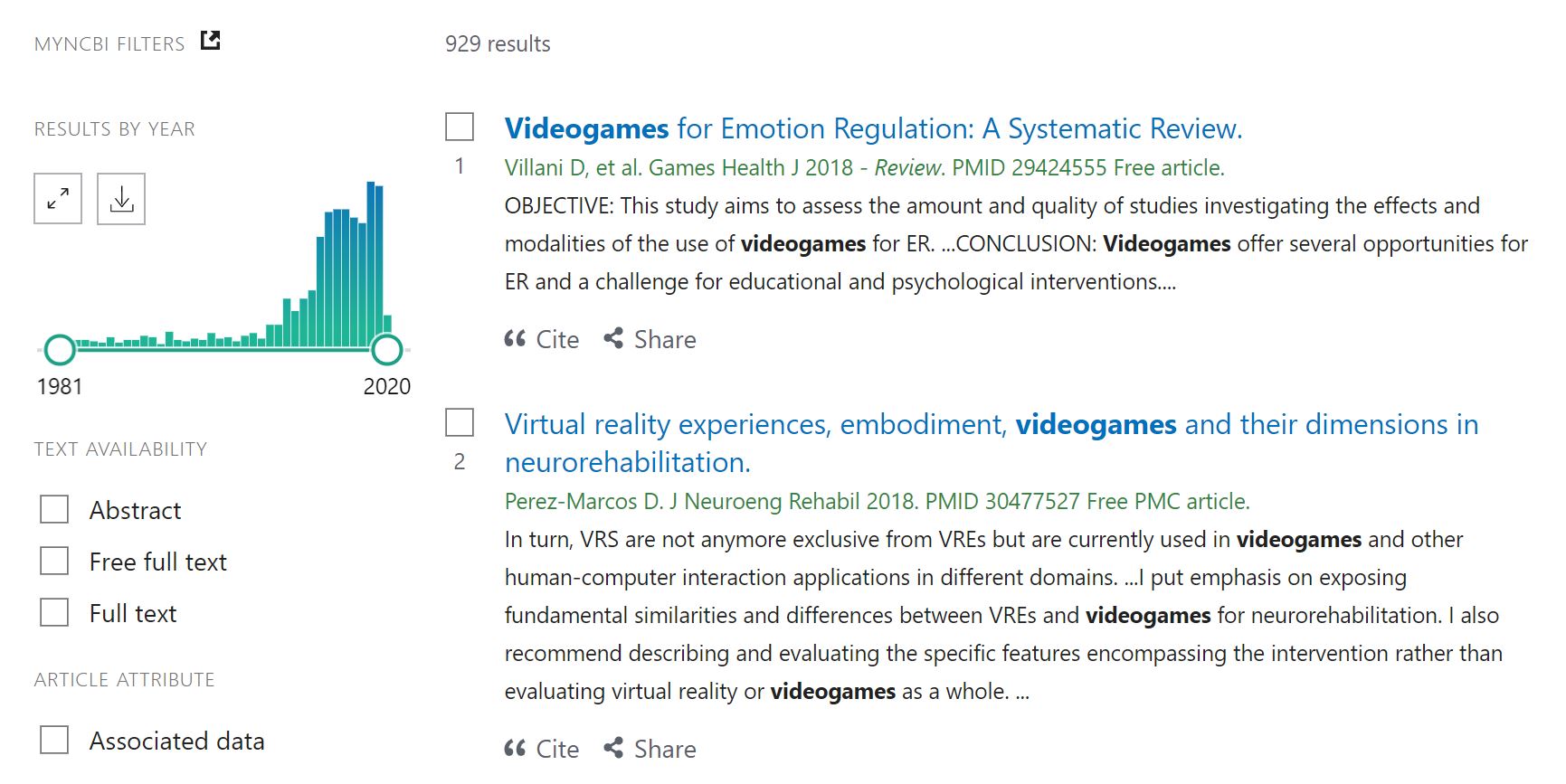
Um local interessante para pesquisar/investigar acerca dos videojogos e alguns dos factores da nossa saúde :) Interessante ver que nos últimos anos o numero de artigos que se preocupam com o uso de videojogos têm vindo a subir..
+infos(PubMed): LINK
Video (“videocast”?), acerca da histórias de alguns dos videojogos
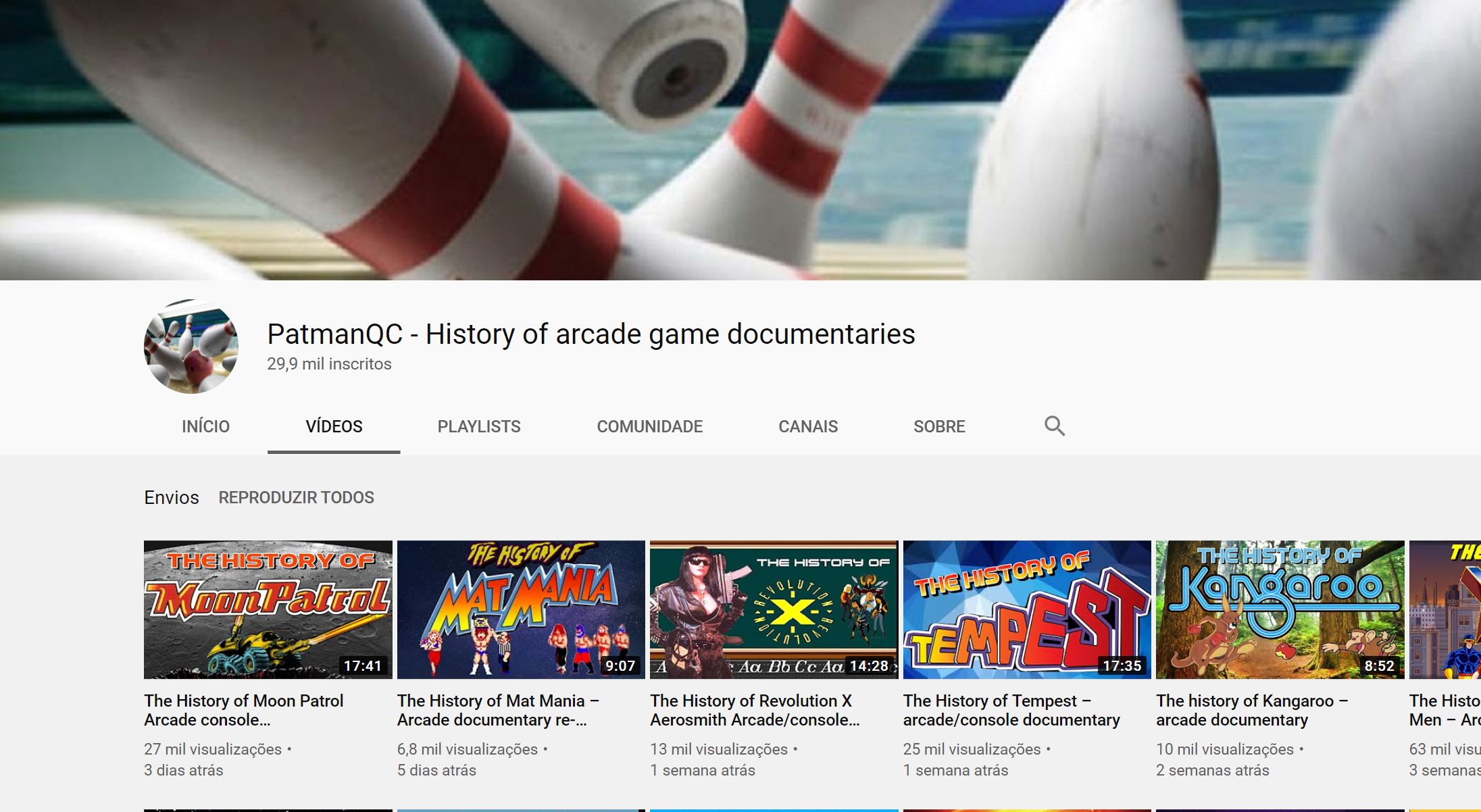
Encontrei um canal porreiro que apresenta umas histórias acerca dos videojogos que saíram no mundo das arcades :) Eu recomendo a história acerca dos seguintes: Moon Patrol, Zaxxon, Spy Hunter, Cabal, Golden Axe, Outrun ou o Ghosts and Goblins
+infos(canal videos): LINK
Um conversa sobre o sucesso no mundo dos negócios dos videojogos Indie
Um conversa por parte de Tanya X e Richard Atlas, sobre o sucesso no mundo dos negócios dos videojogos Indie.
+infos(video): LINK
Studying Indie Games na Noruega
Vai decorrer na Noruega, mais concretamente no Department of Art and Media Studies, na universidade de Norwegian University of Science and Technology, um Workshop “Studying Indie Games” onde vão ser apresentados os seguintes temas:
- Games about Games: On the Forms and Functions of Metareference in Recent Indie Games por Theresa Krampe (Justus Liebig University Giessen)
- Getting in Touch with Indie Games: Narrative Artefacts and Materiality por Hanns Christian Schmidt (University of Cologne)
- Exploring Indie Horror Games: On Perturbations in Fran Bow (2015) and Five Nights at FreddyÕs (2014) por Stephanie Lotzow
- Indie Games and the homo ludens digitalis: Sharpening the Tools of Media Aesthetics por Christopher Lukman (University of MŸnster)
- The World Is Your PlayDohÓ: Procedural Content Generation and Player Agency in Astroneer (2019) por Bettina Bodi
histórias sobre os videojogos, pela Ars Technica
Para quem gosta de jogos, e no meu caso um bom RTS, tem aqui um conjunto de histórias acerca das várias opções que foram sendo tomadas :)
recomendo para já:
S1-E3, How Command & Conquer: Tiberian Sun Solved Pathfinding – LINK

S1-E6, How Sid Meier Almost Made Civilization a Real-Time Strategy Game – LINK

+infos(oficial): LINK